advertisement
Kanda neighbourhood guide

Kanda neighbourhood guide

Monocle FilmsTokyo, JapanFebruary 19, 20213 MIN 2 SECKanda neighbourhood guideThis historic corner of northeast Tokyo was once described as a place for “universities, bookshops and intellectuals”. Academic institutions are still there – along with the Holy Resurrection Cathedral – but Kanda is also home to electronics district Akihabara, a huge shrine and dozens of Japanese curry restaurants too.Editor Mototake MakishimaNarrator Chloe PotterSubscribeEmailiTunesYouTube

Yanaka neighbourhood guide

Yanaka neighbourhood guide

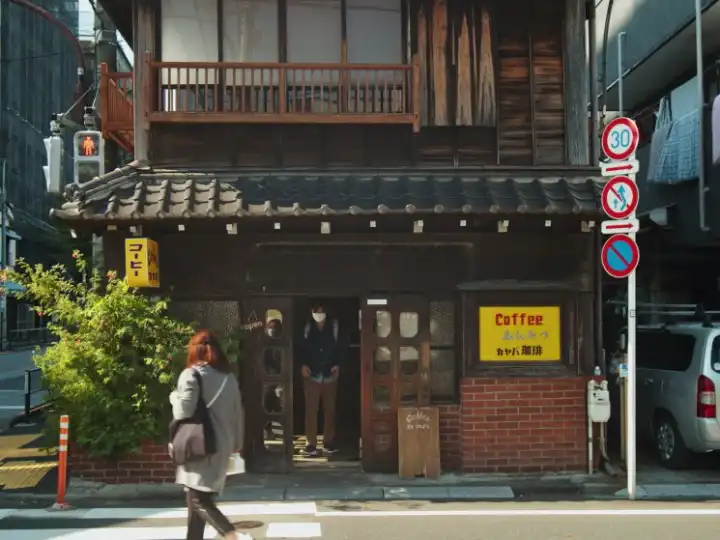
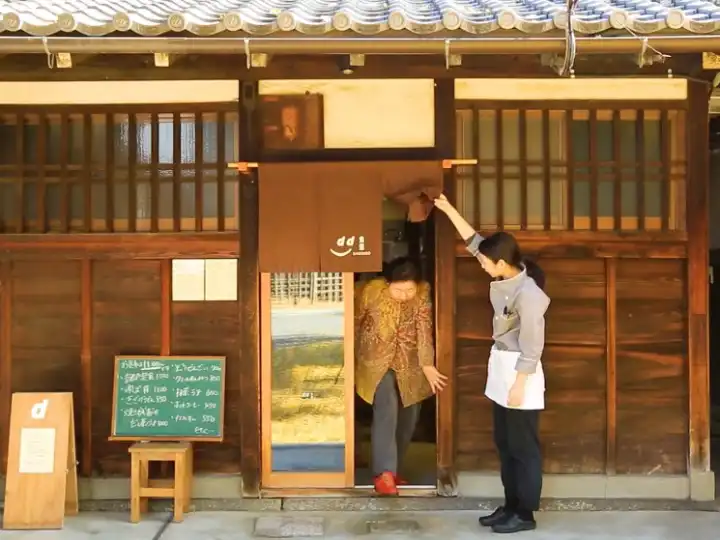
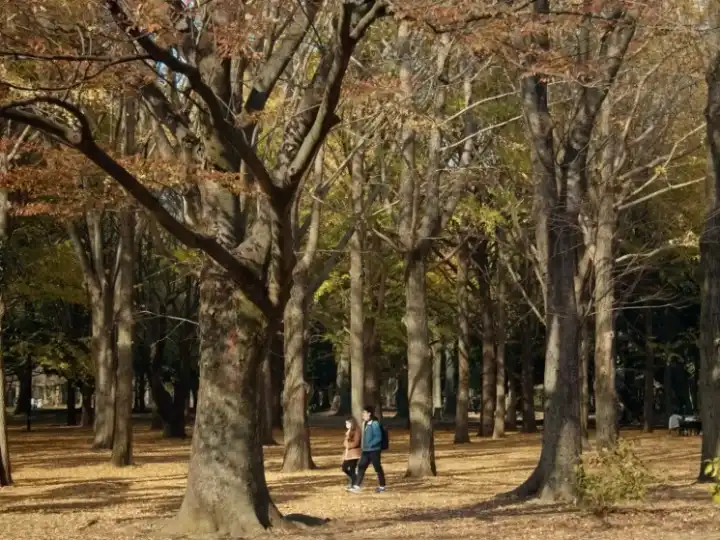
Travel and restaurantsTokyo, JapanFebruary 16, 20213 MINYanaka neighbourhood guideYanaka moves at a different pace from much of Tokyo. As the city has changed around it, Yanaka has retained its old-fashioned atmosphere. Vacant wooden buildings have been brought back to life as new businesses such as cafés, noodle shops and galleries give them a fresh purpose.Editor Ignas KazlauskasNarrator Chloe PotterSubscribeEmailiTunesYouTube

Madrid: The Monocle Travel Guide

Madrid: The Monocle Travel Guide

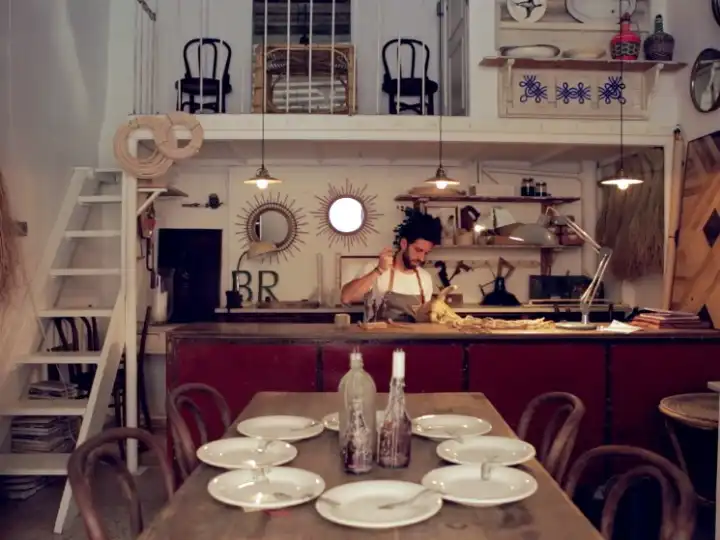
Monocle FilmsMadridApril 15, 20172 MIN 45 SECMadrid: The Monocle Travel GuideMadrid has thrown off the shackles of tradition: what was once a buttoned-down bastion of conservatism has become Spain’s unabashed centre of the avant-garde. Monocle films visits the city to discover a melting pot of talent, taste and tenacity. Published by Gestalten, The Monocle Travel Guide to Madrid is available now at The Monocle Shop.Narrator Liam AldousSubscribeEmailiTunesYouTube

Q&A: John Morford

Q&A: John Morford

DesignHong KongFebruary 23, 2010Q&A: John MorfordDesigner John Morford has created some of the most iconic hotel interiors in Asia – from the Grand Hyatt Hong Kong to the Park Hyatt Tokyo, made famous in the Sofia Coppola film “Lost in Translation”. Monocle editor-in-chief Tyler Brûlé caught up with Morford in Hong Kong to talk about the design ingredients that go into a great hotel.Gabriel Leigh /Editor Gabriel LeighSubscribeEmailiTunesYouTube

Lisbon: The Monocle Travel Guide

Lisbon: The Monocle Travel Guide

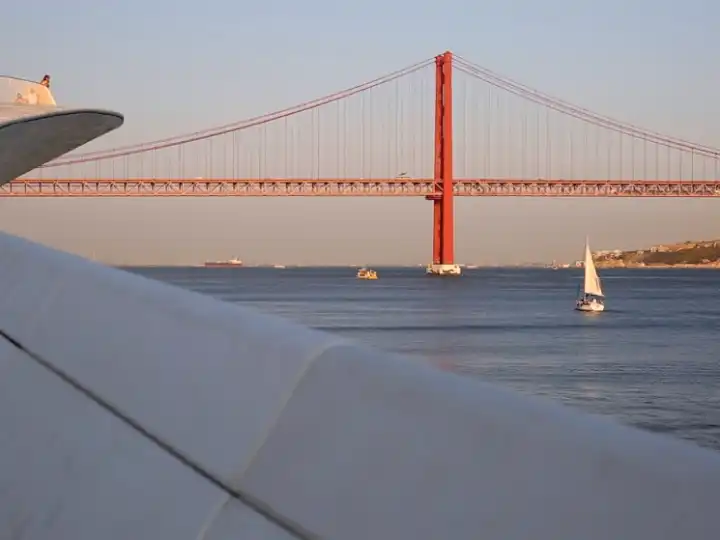
Monocle FilmsLisbon, PortugalSeptember 14, 20172 MIN 48 SECLisbon: The Monocle Travel GuideLisbon may be one of Europe’s oldest cities but it’s far from staid, with massive murals, azulejo-covered townhouses and cutting-edge museums. Allow us to guide you through this eminently liveable (did we mention there are sandy beaches?) and fast-changing city. Published by Gestalten, The Monocle Travel Guide to Lisbon is available now at The Monocle Shop.Narrator Gaia LutzSubscribeEmailiTunesYouTube

A different view with David Alhadeff

A different view with David Alhadeff

DesignBeverly HillsFebruary 2, 20213 MIN 32 SECA different view with David AlhadeffPerched above the buzz of Beverly Hills sits Casa Perfect, a gallery of contemporary design set in a spectacular modernist home. Its founder David Alhadeff shows us the wealth of remarkable art and architecture that is to be found in the varied neighbourhoods of this sunny city. Monocle Films has partnered with Beverly Hills Conference & Visitors Bureau to reveal hidden gems through the eyes of local creatives.Editor Giada GhiringhelliSubscribeEmailiTunesYouTube

Barcelona: The Monocle Travel Guide

Barcelona: The Monocle Travel Guide

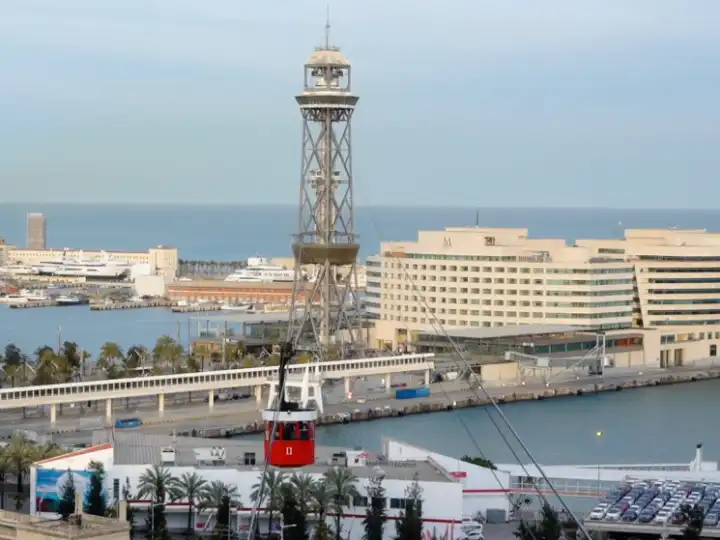
Monocle FilmsBarcelonaApril 17, 20182 MIN 47 SECBarcelona: The Monocle Travel GuideThe Catalan capital boasts a singular character. Venturing beyond the tourist-beaten track, join us on a cinematic tour of fairytale architecture and independent retailers, as well as the innovative restaurants bringing a modern touch to Catalan cuisine.Available now at The Monocle Shop.Narrator Daniel BachSubscribeEmailiTunesYouTube

Kyoto: The Monocle Travel Guide

Kyoto: The Monocle Travel Guide

Monocle FilmsKyoto, JapanJanuary 16, 20182 MIN 58 SECKyoto: The Monocle Travel GuideJapan’s ancient capital may be full of hushed streets steeped in tradition but don’t be fooled: there’s plenty of forward-thinking retailers, innovative chefs and modernist architecture too. Our Kyoto guide will help you navigate your way around, as well as setting you off on your own path.Available now at The Monocle Shop.Narrator Fiona WilsonSubscribeEmailiTunesYouTube

Ryogoku and Kuramae neighbourhood guide

Ryogoku and Kuramae neighbourhood guide

Monocle FilmsTokyo, JapanFebruary 26, 20212 MIN 57 SECRyogoku and Kuramae neighbourhood guideWith any luck you’ll spot a sumo wrestler out and about in Ryogoku, the riverside neighbourhood that is home to Kokugikan, Tokyo’s distinctive sumo stadium. Across the water is Kuramae, another old neighbourhood that has long been famous for its craft workshops and still hums with industry.Editor Asami OhkuboNarrator Chloe PotterSubscribeEmailiTunesYouTube

Rio de Janeiro: The Monocle Travel Guide

Rio de Janeiro: The Monocle Travel Guide

Monocle FilmsBrazilSeptember 15, 20153 MIN 39 SECRio de Janeiro: The Monocle Travel GuideRio de Janeiro is one of few global cities that strikes a balance between cosmopolitan hub and natural wonder. As well as its openness and unique mix of people, the city has a wide range of galleries, restaurants and world-famous beaches. Our new travel guide will help you discover every pocket of the city. Published by Gestalten, The Monocle Travel Guide to Rio de Janeiro is available now at The Monocle Shop.Narrator Sheena RossiterSubscribeEmailiTunesYouTube

Stockholm: The Monocle Travel Guide Series

Stockholm: The Monocle Travel Guide Series

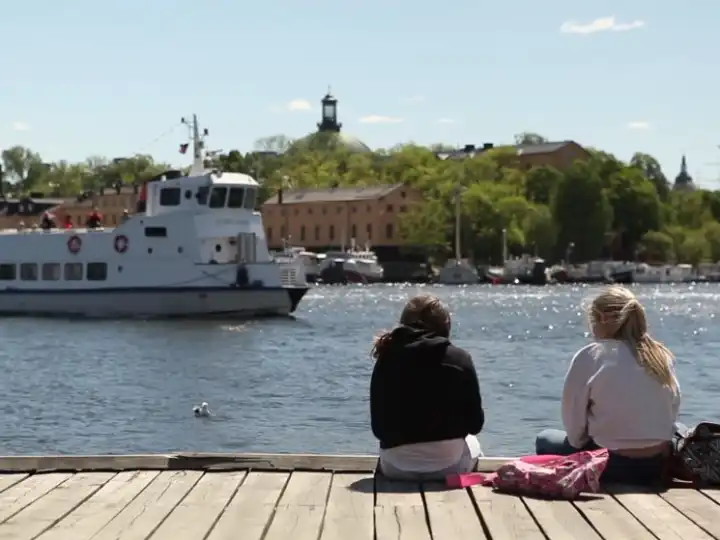
CultureStockholmJuly 4, 20171 MIN 50 SECStockholm: The Monocle Travel Guide SeriesSet in a glittering archipelago, Stockholm is one of our favourite summer getaways. Monocle’s travel guide will help you locate Stockholm’s best hotels and most delectable restaurants, and show you what else to discover tucked away from the Swedish capital’s charming waterfront. Published by Gestalten, The Monocle Travel Guide to Stockholm is available now at The Monocle Shop.Narrator Tom EdwardsSubscribeEmailiTunesYouTube

San Francisco: The Monocle Travel Guide

San Francisco: The Monocle Travel Guide

Monocle FilmsSan FranciscoNovember 23, 20172 MIN 23 SECSan Francisco: The Monocle Travel GuideThis energetic city perched on its Pacific peninsula still serves a healthy dose of Californian cool. Monocle’s travel guide will help you navigate its precipitous slopes and go from forward-thinking retailers to the cosiest coffee shops. Published by Gestalten, The Monocle Travel Guide to San Francisco is available now at The Monocle Shop.Narrator Robert BoundSubscribeEmailiTunesYouTube

Routes that forward-facing tourism should be taking in 2024

Routes that forward-facing tourism should be taking in 2024

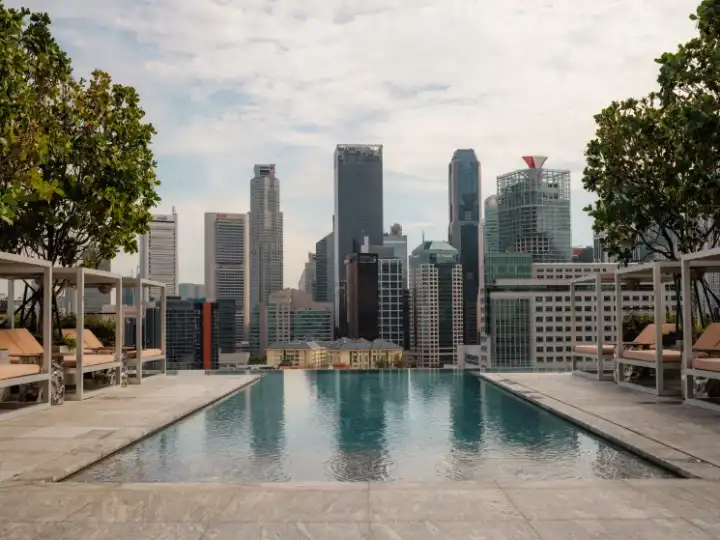
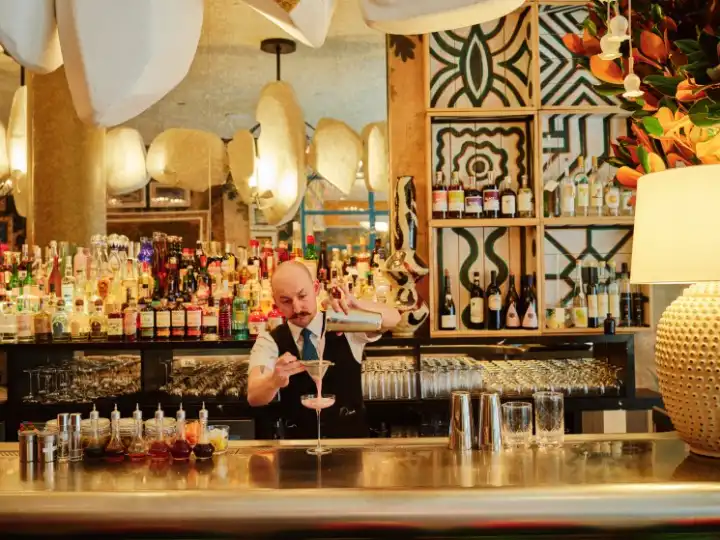
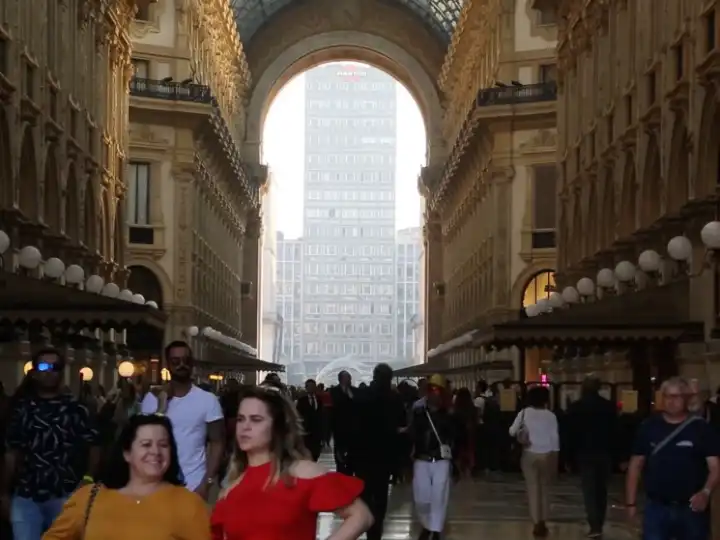
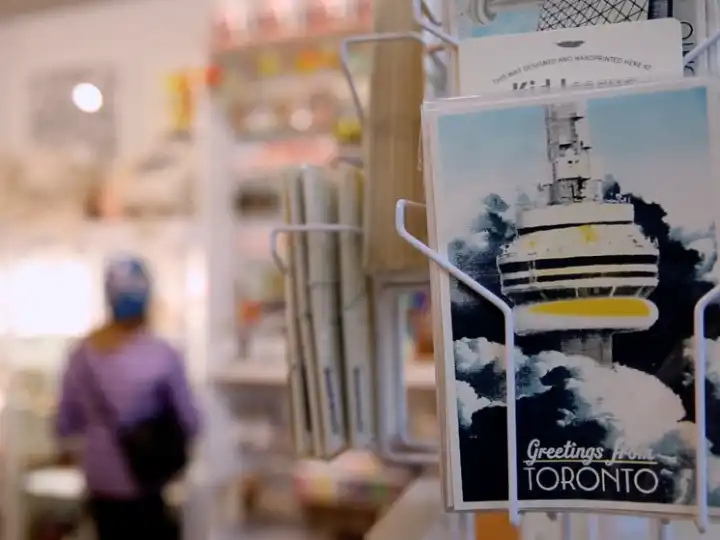
History in the makingPortugal’s industrial tourismHolidays are often about the opportunity to encounter previously unseen, ready-made things. Think about it – you’re either appreciating a recently opened restaurant or the not-recent-at-all ruins of some ancient architectural wonder. You’re shopping for products in a place’s hip neighbourhood or looking at the art in its galleries. Aside from getting to know a destination’s residents, you’re usually there to appreciate its output, be it artistic or economic, old or new. Travelling is about indulging in the unique things that the place you’re visiting is famous for making. Yet how often do we get the chance to glimpse backstage to see how all of these things are actually made? Where and how the marble for that prized building is being extracted, for example, or how the threads on that elaborate carpet are woven, or the leather on the new pair of boots is stitched. In Portugal there’s a push to bring many of these industrial processes to share the spotlight with their end products in an initiative called Industrial Tourism.As a correspondent in Portugal, I’ve reported on business stories up and down the country, visiting pencil and bicycle factories as well as towns famous for making ceramics, blowing glass and spinning wool. It’s a humbling experience to realise that behind every product there’s either an enormous, highly specialised, clanking piece of machinery or a dexterous set of hands.Factories to visitThree industrial-tourism hotspots around the world.La Cartuja de SevillaSpainThis factory has produced high-end crockery since 1841. MaseratiItalyThe Italian car brand offers tours of its Modena plant year-round.Cooperage JosaferPortugalMaking wine barrels is an art. Visit this factory in Esmoriz and you’ll find out why.That there are other people out there who, like me, have an interest in niche know-how is something I was aware of. What I didn’t know is that many busy industrial hubs are interested in welcoming visitors, with many hosting special events and guided tours that are open to all throughout the year.In 2021, realising the potential of these manufacturing sites to boost regional economies, Turismo de Portugal launched an initiative to structure and promote the country’s industrial tourism offering by mobilising the corresponding regional entities and businesses – ranging from milliners and marble quarries to shoemakers and goldsmiths – to work together as part of a national strategy.Today hundreds of industrial heritage sites make up a nationwide circuit, occasionally opening their doors to visitors. (It’s obviously unreasonable to expect employees to deal with the distraction of onlookers on a daily basis – and I have seen groups of foreigners gathering around conveyor belts like they would theMona Lisain Paris.) The strategy aligns with Turismo de Portugal’s wider ambitions, namely to combat the seasonality of the visitor economy and to attract people to places beyond all-too-famous Lisbon, Porto and the Algarve. The hope is that these factory visits might lead to lunch at a nearby restaurant and maybe even an overnight stay. In my case, I know that if I hadn’t visited the country’s famed bicycle-assembly centre in Anadia, Central Portugal, I would probably never have had the chance to try out the region’s famed and sumptuous suckling pig. “For businesses and brands that pride themselves on their green credentials, opening the doors of their factories reaffirms a commitment to transparency”It follows that this type of tourism resonates with a contemporary audience, one that’s increasingly part of a click-to-receive global economy and feels more detached than ever from the means of production – and hence more interested and curious about it.In places like Portugal, where the making of certain goods remains an artisanal affair, visiting these manufacturers can feel like going to a unique and intriguing kind of museum that not only displays an industrial past but, often, a more sustainable future. In a recent visit to Viarco’s factory, the last pencil- makers on the Iberian peninsula, I was able to see how ingenuity and skill kept production at this old-fashioned maker alive, even as competition from Asia grew.For businesses and brands that pride themselves on their green credentials, opening the doors of their factories reaffirms a commitment to transparency. Such is the case with Portuguese label ISTO, which has been independently organising visits to its manufacturers up north for the past two years through an initiative it calls Factourism. The same can be said of the push by chefs to take their clientele to visit their suppliers, farmers and growers who do things in ethical ways and deserve the recognition and extra euros.As for us, the holidaymakers, industrial tourism offers an opportunity to really get off the beaten path. Blame it on globalisation, social media or whatever other force but tourists seem to keep landing on the same spots while travelling.Visits to industrial sights are a way of getting to know a different side of a destination, its entrails and at times the beating heart of its economy. And as I’ve found, these visits can be interesting, insightful and entertaining. They might pique your curiosity as to what else a region has to offer. If you’re lucky, they could even inspire a new business idea.Spread your wingsRethinking frequent-flyer rewardsFor too long, frequent flyers have religiously adhered to alliances such as SkyTeam, Star Alliance or Oneworld, accumulating points on their domestic carriers and limiting themselves to the offerings of a narrow alliance on international flights. This approach confines travel experiences to a monochromatic spectrum, which is, frankly, dull.It’s why recent changes in loyalty programmes in the US are now rewarding revenue and high-ticket spending rather than miles flown. For example, Delta Diamond status, once a milestone, now requires a $28,000 (€26,000) expenditure with the airline – a shift that has led to predictable consumer outcry and a flurry of social media debate. Yet the underlying message is clear: money talks.These changes might take some getting used to but they present opportunities. The smart traveller has the chance to escape the diminishing returns of loyalty programmes and explore the industry’s diverse offerings. The business shift presents a compelling argument for adopting a free-agent stance, moving away from the relentless pursuit of status and gamifying of loyalty.Embracing free-agent status opens up a world of choice: you can select flights based on convenience, cost and preference, sidestepping the stress associated with chasing status. This liberating approach broadens your access to a range of exceptional experiences.Much of the airline industry gravitates towards mediocrity but there remain beacons of innovation, national pride and operational excellence. Choosing the optimal airline for each route rewards those who excel at every touchpoint.Breaking free from a single carrier or alliance invites unique experiences. Imagine sipping from elegant Iittala Finnish glassware on Finnair, wrapped in a Marimekko blanket. Picture yourself at Cathay Pacific’s lounge in Hong Kong, relishing a bowl from its noodle bar. As a free agent, you can absorb the warmth and worldliness of Emirates’ flight attendants or inhale Alpine air on the outdoor deck of Zürich’s Swiss Lounge.Adopting the free-agent approach champions a true free-market spirit. Your personal or corporate expenditure becomes a vote for innovation and superior service. If adopted en masse, this shift could compel airlines to continually elevate their offerings, ensuring that they cater to a discerning audience rather than relying on a captive customer base. It makes travel not just less mundane but more enriching too.Hometown holidayA Singapore staycationFor residents of its neighbouring countries, Singapore is a popular jaunt for a weekend of dining and shopping; for travellers coming from further away, it’s often a quick stopover on a grand tour of Southeast Asia. What brings these two groups together is that most visitors, unless they have family here, don’t allot more than a couple of days to its sights, and for many more it’s simply a transit point on a larger journey. As a resident of the city, this makes me curious whenever I encounter a bona fide tourist in Singapore: what brought them here? To place myself more empirically in their shoes, I booked a stay at a new hotel in town – the Mondrian Singapore Duxton, which opened in June. I packed a small suitcase and hailed a taxi to take me there. Part of the reason I chose the Mondrian was for its location in Duxton Hill. A mini-neighbourhood next to Chinatown, the area is full of great restaurants, bars, cafés and boutique stores. The streets are lined with colourful shophouses, in one of Singapore’s most historic architectural styles, and the area is walkable and leafy.After checking in, I made straight for the rooftop with a book to read and ordered a strawberry daiquiri at the poolside bar. The infinity pool has a panoramic view of downtown Singapore and from that height you get a beautiful, bird’s-eye perspective of the twisting rows of orange-roofed shophouses. Seen together, the contrast between the two-storey shophouses and the gleaming silver-blue skyscrapers is quite arresting. I swam a few laps in the pool, nervously eyeing the dark grey stormcloud in the distance – as well as the numerous signs that warn guests to head indoors immediately if there’s any lightning; thankfully, that wasn’t necessary. I also made sure I spent some time observing my fellow guests.Were they business travellers, tourists or perhaps fellow staycationers? Sipping my daiquiri, I overheard an American couple planning a trip to the Night Safari, the nocturnal component of the Singapore Zoo. I had been meaning to go but still hadn’t made it, and the pair’s excitement was infectious. So I resolved to purchase tickets at the next available opportunity. Then I headed back to my room, a corner suite, determined to make the most of my short stay.“I also made sure I spent some time observing my fellow guests. Were they business travellers, tourists or perhaps fellow staycationers?”I made myself a coffee and snacked on some freely providedkuih, an umbrella term for various colourful, gelatinous Malay cakes that are popular in Singapore and Malaysia. As a child growing up in Kuala Lumpur, I loved to eat them. I experienced a brief moment of nostalgic remembrance as I bit into the pillowy coconut-flaked rectangle. Once my reverie of sensation had concluded, I did some work on my laptop at the sleek in-room desk. Technically I was already hard at work collecting impressions for this story but I would have been remiss in not trying out the desk.From my 11th-floor perch, I could see the Buddha Tooth Relic Temple, a huge red-and-white Chinese Buddhist complex with slate-grey roofs, which I had passed many times but never entered. I researched it online and learnt that despite its imposing traditional build – it was styled on Tang Dynasty temples – the structure was only completed in 2007. The temple is open to visitors (no miniskirts, pets or non-vegetarian food allowed) and even has a museum. It was another place I had overlooked and would have to visit soon.Taiwanese restaurant Ah Zhong Mian Xian on South Bridge RoadSkyline view from the grounds of Mondrian Singapore DuxtonFrench-style bistroSubtle lighting in a guest room at the MondrianTime for cocktails Hindu templeIn the evening, I went down to the third floor for dinner at Bottega di Carna, an Italian restaurant where the menu is written by Tuscan butcher-chef Dario Cecchini. The Mondrian is known for its emphasis on art and design, and the restaurant is accordingly impressive: a lofty space with calligraphy-ink ceiling murals, delightful angular chairs and a large Tracey Emin piece glowing against one of the walls.Later in the evening, I returned to the rooftop for one last look at the city skyline. The pool lights were on and the water gleamed enticingly; beyond it, the high-rise buildings sparkled with light and the sky was clear enough so that I could see the moon and even a few stars. I live on the ground floor, so I rarely see Singapore from this vantage; it was a lovely sight.The next morning, a better person might have made use of the hotel’s well-equipped gym before checking out, especially after such a decadent dinner – but I am not that person. Instead, I enjoyed an early breakfast. The Mondrian has a sensible semi-buffet with a menu of hot dishes. I ordered some scallion noodles with crispy bacon, nori and a fried egg, which went well with the eccentric assortment of foods I gathered at the buffet, of which I will spare you the details. I left the hotel with a fresh sense of the city I lived in and a checklist of places to explore – not to mention a full stomach.Local authoritiesHow to get off the beaten trackThe best travel tips come when you keep your eyes fixed on the wall – as long as it’s plastered with posters. No coffee-shop stop should miss out the noticeboard that’s thick with thumb tacks pinning postcard-sized ads. Poorly photocopied neighbourhood newsletters filling a newspaper rack? I’ll take three. Nicking flyers tucked under the windscreen wipers of unsuspecting cars isn’t beneath me either.Once assembled, this cache yields the kinds of tips only gleaned from media that’s geared to locals. Most of us aspire to transcend the tourist stereotype for that platonic ideal of the traveller who blends into their destination. Hoovering up any scraps of paper hyping the latest neighbourhood art exhibit, concert or restaurant two-for-one special is one of the best ways to achieve tourist-to-local nirvana.This strategy is a variation on the sage advice of Roman Mars, host of design podcast99% Invisible, to always read a plaque on your historical walking tour – yes, you should always learn which obscure political figure lent their name to the park you’re in. But if you want to know what to do after your day of sightseeing, always read the poster on the telephone pole inside the park.Newspaper stand in MilanEven in the age of online marketing, street advertising remains an effective hyperlocal means of publicity. Smartphone users are drowning in information to the point of tuning out the digital flotsam clogging their effort to just check the weather or make a phone call. But if you’re standing at a corner waiting for the light to turn, you can’t help but notice the flyer informing you of the comedy show taking place later that night just around the corner.I can’t guarantee that heeding a crude poster’s admonitions will lead to a better dose of culture than following some carefully curated newspaper recommendation but I can guarantee that you’re more likely to stumble into a scene you weren’t imagining. In Auckland, a flyer led me on a long train ride out to a festival. Beloved Kiwi reggae band Salmonella Dub was fairly substandard but the journey was worth it for seeing New Zealand’s neo-hippies in full regalia. In the French Caribbean collectivity of Saint Martin, I once sat through a secondary school theatre production dramatising the life of Congolese anti-colonial independence leader Patrice Lumumba. Not exactly Comédie-Française material but more instructive about French overseas identity than a day at the beach.“Even in the age of online event marketing, street advertising remains an effective hyper-local means of publicity”It helps, of course, if you can read the local language. My penchant was put to the test on a recent trip to Kyoto when I popped into the neighbourhood onsen. Soaking in the thermal waters blissfully phone-free, I had nothing but time to decipher the wall ads. I don’t read kanji but careful deduction of a poster with an exterior building photo, a simple map and a few dates and numbers printed in English suggested that the café around the corner from our rentedmachiyawas celebrating its first anniversary with live music. Sure enough, my wife and I strolled in the next night for a warm neighbourhood gathering. It was, as they say, a local’s secret.Why I’ll never abandon shipIn praise of cruisesCruise ship ‘Royal Princess’The word “travel” is derived from the French term for work: “travail”. It’s fitting because, though travel can be relaxing once you get to your destination, it can be an ordeal, particularly if you fly.Even so, many of us still wander to satisfy our curiosity, as a means of escape or for amusement. I’m a compulsive traveller but I detest going anywhere on a plane or a bus and only barely tolerate long car journeys. But put me on a quality train or ship and my vacation’s already on before I’ve moved a mile.I live in Florida and prefer to spend most of my holidays abroad because, no matter how far I travel stateside, I don’t feel as lost as I would like. As I can’t board a train to anywhere that will give me the dopamine hit that comes from being in unfamiliar environments, cruises are a great way for me to escape without having to endure the indignities of flying: the cramped seats, searches, endless delays, bad food and strangers sitting too close.I’ve never been on a cruise that didn’t depart and arrive on time. If I don’t like a dish I’m served, I order something else. If I do like it, I still often order something else because indulgence at sea is almost mandatory. Some travellers look down on cruising as shallow and environmentally irresponsible. Others, like the writer Lauren Oyler, go even further. In a recent essay forHarper’s, she insisted that cruises should be illegal. Missing from her 10,000-word critique is evidence that she took the time to meet any of the crew members she’d like to send to the unemployment queue. Contrary to popular belief, there are good cruise lines out there. I recommend the Princess and Celebrity lines if you want a standard of service you’re unlikely to find on land. Hotels barely want to clean your room these days, let alone pamper you the way high-quality cruise lines do. And unless you get invited to the UN General Assembly, you won’t find a more international environment than a cruise ship. For example, on a recent Celebrity cruise, I met crew members from 36 countries, so I didn’t just learn about our ports but many of their home countries too. Bird’s eye-view of a ship’s deck“Unless you get invited to the UN General Assembly, you won’t find a more international environment than that of a cruise ship”I’m currently researching eight Caribbean islands I’ll visit on a forthcoming cruise. I won’t have time to see these places thoroughly but I can always return to the ones that grab me. I also have two teenagers and they relish the freedom of roaming the ship on their own and hanging out in the teen clubs. Princess, Celebrity and other high-end cruise lines are also investing millions to become more environmentally responsible. For example, 85 per cent of the waste used on Celebrity ships is recycled, repurposed or sent to a waste-to-energy facility.According to a recent State of the Cruise Industry poll, 85 per cent of people who go on a cruise return for more. Marcel Proust once said, “A change in the weather is sufficient to recreate the world and ourselves.” I feel the same way on the deck of a gleaming white cruise ship, with the wind in my hair and the prospect of a new port, and a chance to reinvent myself, every day. Gravy trainsDelight in the dining carIt’s hard to resist the draw of the dining car. At a time when pre-packaged meals and plastic cutlery seem to be the only options when eating on the go, European intercity trains are fighting back with white tablecloths, quality coffee poured into porcelain cups and draught beer in thick glass tankards. Regardless of your seating class, warm service and cooked-to-order dishes remain a timeless part of rail travel.Railroad diners were first pioneered in the US and then popularised in the UK but it is in Europe that they have now become a staple on the humble commuter train. Whereas these restaurants on rails have largely disappeared elsewhere (either by disuse or because of the coronavirus pandemic), in Europe they have endured as stalwarts of a bygone era – and their value and charm should be cherished and preserved.When done right, the dining car can whet business travellers’ appetite for rail journeys instead of air travel. Comfort and efficiency, combined with the right service and a well-timed connection, can make all the difference. A work trip from Frankfurt to Milan, or Ljubljana to Vienna, is swift and scenic, while the food menus on these lines are up to scratch too. Travelling directly from one city centre to another allows more time for work or play (instead of waiting for terminal shuttles and security checks). And upon stepping off the train, one feels immediately plugged into the life of a city.“In this region, culinary traditions transcend national borders, so it’s quite appropriate to try them on the move”Sit down, relax and munch on bircher muesli as you descend from the snowcapped Alps to blooming Basel on IC 264, or feast on moreish honey-and-walnut cake with the stunning backdrop of the Slovak Tatra Mountains on EC 242 Kosican. Don’t miss out on a crispy schnitzel as you cross from Germany to Czechia on EC 176 Berliner. Have you sampled the reveredKaiserschmarrnsweet pancakes on the Austrian ÖBB or the warming goulash on the Hungarian MÁV? In this region, culinary traditions transcend national borders, so it’s quite appropriate to try them on the move.But it’s not just the food – dining car interiors are wonderfully varied. The Blå Tåget, or Blue Train, which runs between Gothenburg and Stockholm, lives up to its name with navy upholstered banquette seating and interiors reminiscent of those from the 1960s. The menu features crayfish salad and veal meatballs with mashed potato. Then there’s the panoramic dining car on the EC 8 from Zürich to Köln, which has generous windows and circular tables. Here you can order cheese platters accompanied by a delectable wine selection as the mountains roll by. Whichever the line, wherever your destination, there’s no finer way to get from A to B than with a meal and a view. Generations to comePit-stops of the futureEV-charging station in KøgeNetworks of timber structures arching over ultra-fast charging stations for electric vehicles are mushrooming along highways and in cities across Scandinavia. Architecture studio Cobe has already built 11 stations in Denmark with plans to add dozens more across the region. Cobe’s founder and head architect, Dan Stubbergaard, here explains how his studio is reimagining the classic rest stop as a place to recharge EVs (and their drivers too).“In five year’s time, most people will have an electric car. When Cobe was tasked with designing a concept for future charging stations for the charging point operator Clever, I wanted to create a place for people, not just cars. Those 20 minutes spent recharging your vehicle shouldn’t only consist of buying a Coca-Cola and a hot dog; we wanted to create an environment where you can have a meaningful break. A place to sit on the bench, exercise, watch the kids play football.We came up with a modular system of tree-like canopies, which adapt to different scales of charging stations. I call them cathedral charging stations because of the feeling of standing under the landscape of canopies.The key to these canopies is that we can compose them in different ways and adapt them to the local topography. We can create a linear station, a compact station or a ring of chargers with an inner courtyard space.We try to work with the landscape. The plants and tree species on site are selected in collaboration with the Danish Society for Nature Conservation, with a focus on local trees and plants. For instance, in the autumn drivers can recharge the cars while kids go to pick blueberries. We have many more to build and we’re learning as we go but this project shows how architecture and design can create spaces for meaningful experiences and help us change our behaviour towards a better future.”Tactile and clean design that evokes tree coverCharm offensiveThe thrill of the chaseVilnius’s stimulating city centreWhereas some parts of Europe are trying to limit visitors due to overtourism, countries in Eastern Europe such as Estonia and Slovenia are staging stunts and running campaigns to attract more travellers. One city that has mastered the art of a risqué tourism push is Vilnius.In a bid to become famous – or at the very least, less unknown – the capital of Lithuania ran a bold campaign in 2018, describing Vilnius as, “The G-spot of Europe. Nobody knows where it is but when you find it – it’s amazing.” The campaign ruffled feathers, partly because it directly preceded Pope Francis’s visit to Lithuania. But it worked: visitors to Vilnius increased by 12.5 per cent during the campaign, with a particular upswing in the number of German and British tourists. As Vilnius marked its 700th anniversary in 2023, the city continued to poke fun at its knack for flying under the radar with a retro 1980s-style infomercial about belated birthday cards: “It’s not that I didn’t remember, it’s just that I didn’t know you existed.” Just add waterAirports’ hydration stationsAirport water refill station designed to reduce single-use plastic consumptionIn an attempt to reduce single-use plastic, airports worldwide are getting better at providing water stations for passengers to refill their own bottles instead of paying for an overpriced litre in the departure lounge. Environmentally conscious EU officials passing through Brussels Airport can top up at a large multi-tap kiosk, while Geneva Airport boasts that its handsome water fountains dispensel’eau de Genève.Some airports are banning the sale of plastic water bottles outright. San Francisco International became the first to do so in 2019, while in 2023 Los Angeles (LAX) followed suit. To accommodate this change, LAX installed 60 hydration stations instead. “Eliminating single-use plastic water bottles is the right thing for our airports, our communities and our environment,” said Justin Erbacci, chief executive of Los Angeles World Airports.Just six years ago, more than half of the UK’s international airports did not have free drinking water fountains. It was a similar story in other parts of the world. Crowdsourced campaigns, such as UK-based Water at Airports, have helped to change that. Some terminals now provide the organisation with maps showing the location of their fountains, turning its website into a handy resource.Perhaps someday, every airport will have abar à eausuch as the one in the lobby of the Ibis hotel at Paris’s Charles de Gaulle (CDG). It offers free refills of micro-filtered water, with a choice of still, sparkling, semi-sparkling and hot. It’s a nice touch for an airport hotel. And even better if CDG and its counterparts elsewhere do the same for their dehydrated passengers. Fat of the landDeparture-lounge delicaciesAirport halls can at times feel like endless mazes of fluorescent lights and plastic chairs. But if you know where to look, you can find hidden gems filled with excellent regional delicacies. We’ve rounded up some of the best options worldwide for a pre-flight tipple or some last-minute dinner additions ahead of your homeward journey. 1.Singapore Changi AirportLayer cakeThe Bengawan Solo shop in Changi Airport is a favourite for its confectionery, includinglapis surabayalayer cake.2.Naples International AirportPastaHere you’ll find Italian durum wheat semolina pasta cut with a bronze die in the small city of Gragnano. It makes for a truly authentic Neapolitan souvenir. 3.Barcelona AirportHamBarcelona-born Enrique Tomás brings the best Iberian ham, montego cheese and other Spanish delicacies up to the gate. 4.Rabat-Salé AirportTraditional cookiesFounded in 1985 by pastry chef Naïma Berrada, Maymana offers a variety of traditional Moroccan sweets and savoury snacks. Pick up an assortment before takeoff.5.Rome Fiumicino AirportPorchettaThe chef market at Fiumicino is the place for pre-boarding shopping while getting a taste of the surrounding region’s cured meat, porchetta. 6.Copenhagen AirportSalmonA walk through the gates of Copenhagen Airport presents the opportunity to stock up on delightful Scandinavian pantry-fillers such as Fangst grilled salmon from Nordic Gastronomy. 7.Istanbul AirportTurkish delightsA box of Turkish delights provides a welcome sweet treat at the end of a meal. The Old Bazaar at Istanbul Airport has a wide variety to choose from.8.Geneva AirportWineThe wait for a late flight can be made more enjoyable by having a glass of L’esprit de Genève red by Florian Barthassat in the inviting shop Aelia.9.Paris Charles-de-Gaulle AirportCheeseNo trip to France is complete without bringing back some cheese, such as a creamy vacherin au lait cru by renownedfromagerHervé Mons.10.Munich AirportPretzelA loaf of Bavarian-style pretzel rod from famed bakery Backstube Wünsche makes for a great in-flight snack or a savoury gift to bring home. Do it yourselfHow to charter a private jetChartering a private jet can be a confusing process, especially for those who are new to it. With dozens of different business models available, many potential surprise fees and hundreds of operators that might have global coverage or simply specialise in light jets within a very specific region, it can all be a bit of a minefield.That said, the whole thing can be stress-free and straightforward if you know where to look. Frequent travellers who don’t own their jet will likely opt for subscription services or fractional ownership schemes that entitle them to a certain number of hours in the air. For the more occasional private flyer, however, here are some options.Call a ‘fixed fleet’ operatorThese are something like on-demand private airlines, with their own fleet of jets at the ready. You might find that there’s an operator like this which can act as a go-to. If so, get in touch, outline your requirements and the operator will determine whether it can offer you transport and at what price.Vistajet is a good place to look first because of its truly global reach. It utilises a fleet of Bombardier Globals so you’ll know exactly what you’ll be getting every time. And if you find that you’re flying more than 25 hours a year and want to level up to a membership, it’s relatively seamless to get set up (and cash in on some benefits and perks). Find a broker or firm that has access to a trusted network of operatorsThese can offer more flexibility as they work with a variety of private operators, meaning that there’s a higher likelihood that they’ll have what you need when and where you need it. But it’s important to find the correct firm from the outset – one that works only with high-quality operators and has strict standards for its partners. This can take much of the hassle out of the process. Simply ping your broker and get set up with a flight. Magellan Jets is a reputable company and a good place to start.Empty legsIf budget is a concern then it can be worth hunting around for “empty leg” offerings. Aircraft often need to position empty from one city to another to pick up a client, so many operators will try to fill those planes, often at a steep discount. The downside? A relatively fixed departure time and city pairing. But if it works out, you’ll fly private at a fraction of the cost. Another issue is the lack of a centralised firm offering global empty legs. There are various websites and mobile apps attempting to make this work, however, and there will no doubt be improvements in the coming years. For starters, check out Jettly and Fly XO. Days of wine and rosesFinding bliss in Canada’s vineyardsSitting on a terrace, overlooking the wonder of a 135km-long lake surrounded by rolling hills, while drinking the local wine. That’s how I choose to spend a sweltering summer day in Canada’s Okanagan Valley. Towns in this verdant valley in British Columbia host much of the province’s wine industry, making the region a hotspot for tourists and residents alike.It’s not the place you would expect to find such an industry due to Canada’s famously harsh winters, but many internationally trained winemakers make excellent use of the 4,400 hectares of lush vineyards in the region. Trips to Okanagan Valley were a mainstay of my childhood while growing up in neighbouring Alberta’s frigid prairies. The wineries, in addition to the warm summers and mild (by Canadian standards) winters, always drew my family back.As an adult, I became interested in the area for both its natural beauty and its career opportunities. After visiting regularly, I decided to take the leap and ended up calling this valley my home after relocating to the city of Kelowna in 2020.Moving to Okanagan Valley’s largest city to pursue a teaching career, I found myself becoming enamoured with the area’s wine industry. I loved meeting the talented people running the region’s wineries and it wasn’t long before I was employed in one, while visiting many more and discovering a whole new family in the process. After unearthing what the valley had to offer, I made a change, dove headfirst into the wine business and haven’t regretted it for a minute.Thanks to new friends and a push from my partner to expand my knowledge of wine, this time of upheaval is something that I will always be grateful for. I might go on other adventures and live elsewhere in my life but I will always return to this truly unique place for everything it has given to me.High spiritsCocktails at 35,000 feetAfter the inevitable rush to the airport, the interminable queuing to get through security and border control, then finally the boarding process, there is nothing quite like an elevated night-time cocktail (writes Sorrel Moseley-Williams). When flying, I relish the introspective state that the passenger cabin’s anonymity affords and savour the lack of social or business interactions. I forgo any anxious attempt to get online.“I relish the introspective state that the passenger cabin’s anonymity affords and savour the lack of social or business interactions”A gin and tonic truly freshens up my travel-weary palate, with its effervescence that adds a little more vigour. A decent and zesty juniper-based spirit dampens the indignity of an economy-class meal. Throw on a pair of noise-cancelling headphones and I feel as though I might have been upgraded.Mixed blessingsWith the world’s finest cocktail makers taking their craft to the skies, the days of cobbling together a bloody mary with mini cans and plastic cups are behind us. Here are the airlines that do it best:1.Japan AirlinesJAL’s drinks list was concocted by Shingo Gokan, the mixing maestro behind Tokyo’s SG Club. It includes riffs on classics such as the Roku gin martini.2.QantasThe team from award-winning Sydney bar Maybe Sammy celebrate Australian ingredients in an aromatic eucalyptus gimlet served in Qantas’s First Class cabin. 3.NorwegianThe Nordic airline’s Oslo mule is a riff on the classic, with ginger boosted by sage, which comes ready to drink in a can. It’s a swift remedy for making those air miles pass by a little faster. 4.British AirwaysIf you’re on a reopened Club World line, try a cocktail from London’s Mr Lyan bar, accented with herbs or absinthe.My choice for a more potent concoction is the hanky panky. As I savour the aromatic cocktail in close proximity to the clouds, I feel like I’ve been transported back in time and could be at The Savoy in London, with Ada Coleman serving up her creation of gin, sweet vermouth and Fernet-Branca. Relaxing over a well-made drink is an art form in itself. It’s a moment of indulgence that demands a pause to be taken. Without any distractions, sipping on a high-altitude cocktail brings instant pleasure no matter the class of seat that you’re sitting in. 
Vienna: The Monocle Travel Guide

Vienna: The Monocle Travel Guide

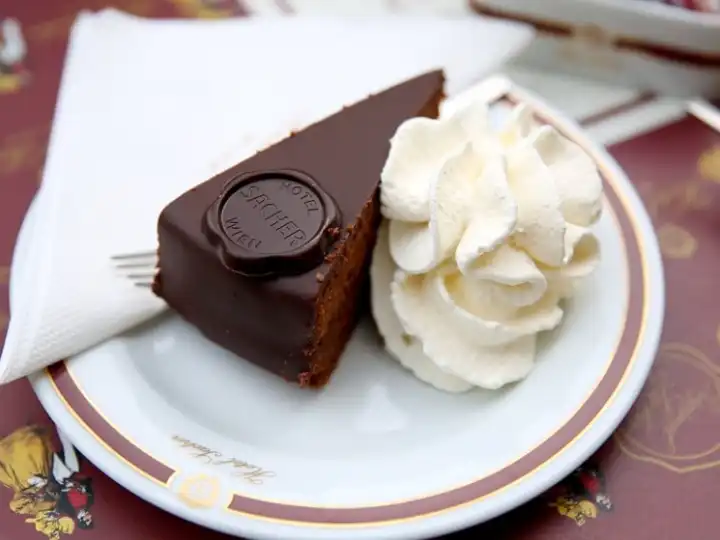
Travel and restaurantsVienna, AustriaApril 15, 20163 MIN 11 SECVienna: The Monocle Travel GuideVienna is a city that bridges Eastern and Western Europe with panache. It has long been the melting pot of Europe so it’s easy to feel at home here – especially with our fully illustrated, 148-page hardback book as your guide. Published by Gestalten, The Monocle Travel Guide to Vienna is available now at The Monocle Shop.Narrator Kimberly BradleySubscribeEmailiTunesYouTube

Paris: The Monocle Travel Guide

Paris: The Monocle Travel Guide

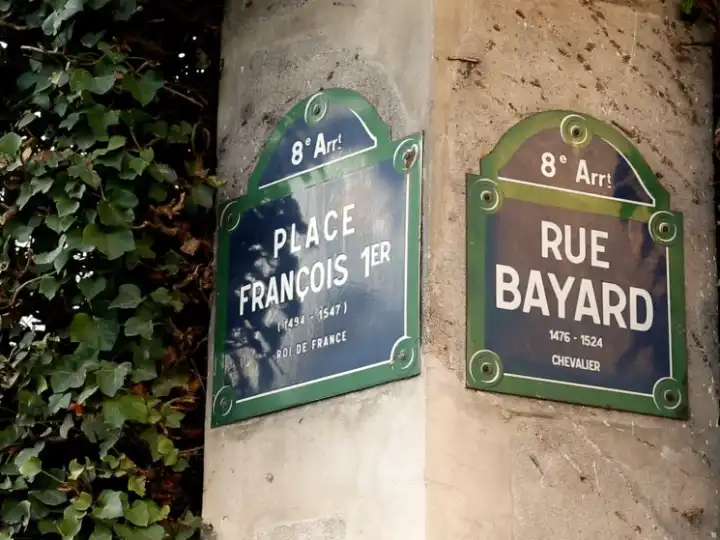
Travel and restaurantsParis, FranceJuly 14, 20163 MIN 36 SECParis: The Monocle Travel GuideParis is not all about picture-perfect cobbled streets and romantic vistas. Our guide seeks to cut through the clichés and steer you away from the tourist-thronged sites to discover the “real” Paris. Published by Gestalten, The Monocle Travel Guide to Paris is available now at The Monocle Shop.Narrator Gillian DobiasSubscribeEmailiTunesYouTube

Sydney: The Monocle Travel Guide

Sydney: The Monocle Travel Guide

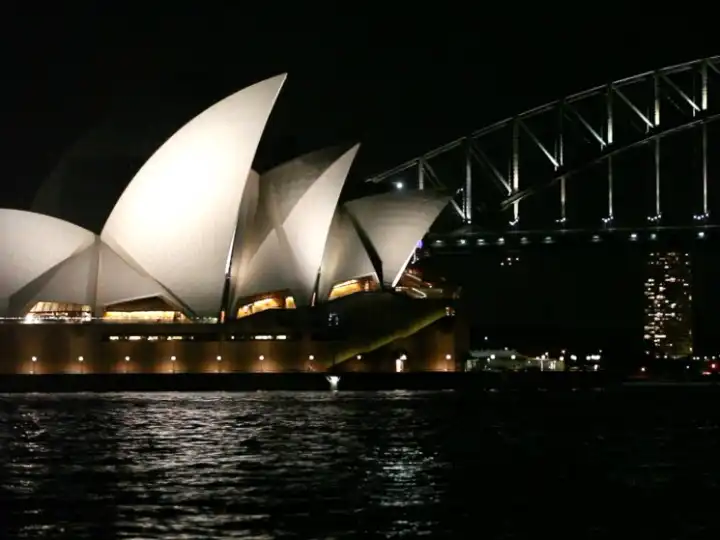
Travel and restaurantsSydney, AustraliaJune 21, 20163 MIN 12 SECSydney: The Monocle Travel GuideSydney is a coastal crowd-pleaser that has long lured travellers to its shores and our 148-page hardback guide contains plenty of reasons to unpack your bags, settle in and linger a while. Published by Gestalten, our Sydney travel guide is available now at The Monocle Shop.Narrator Clare AitkenSubscribeEmailiTunesYouTube

Honolulu: The Monocle Travel Guide

Honolulu: The Monocle Travel Guide

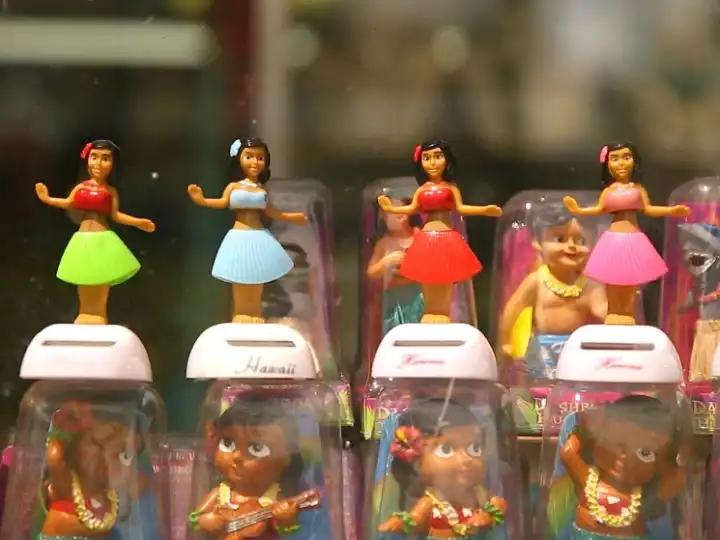
Travel and restaurantsHonolulu, HawaiiJune 28, 20163 MIN 18 SECHonolulu: The Monocle Travel GuideThere is more to Honolulu than aloha shirts and picture-postcard images of hula girls: our new travel guide reveals a dynamic urban centre packed with independent retailers, modernist architecture and a shave-ice stand or two. Published by Gestalten, it is available now at The Monocle Shop.Narrator Robert BoundSubscribeEmailiTunesYouTube

Athens: The Monocle Travel Guide

Athens: The Monocle Travel Guide

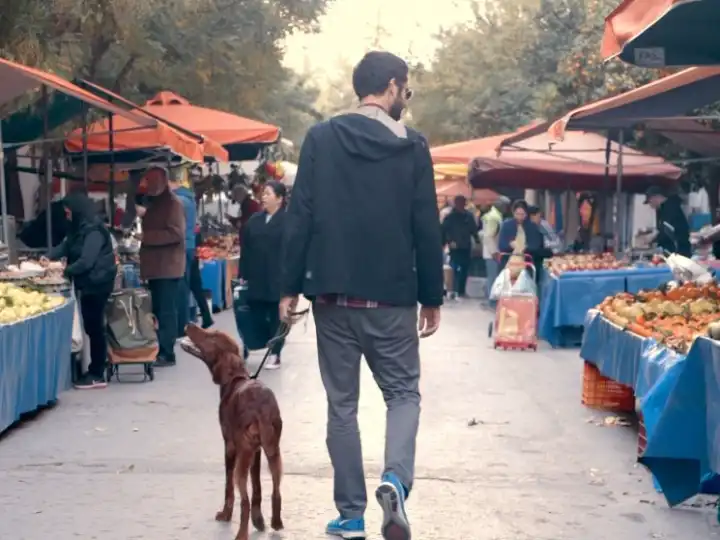
Monocle FilmsAthens, GreeceDecember 4, 20183 MIN 6 SECAthens: The Monocle Travel GuideThe weekly pilgrimage to a ‘laiki agora’ is at the heart of Greek lifestyle. To celebrate the launch of our latest book, Monocle Films takes stock at one of its favourite Athenian food markets.Available now at The Monocle Shop.Narrator Joe PickardSubscribeEmailiTunesYouTube

Berlin: The Monocle Travel Guide

Berlin: The Monocle Travel Guide

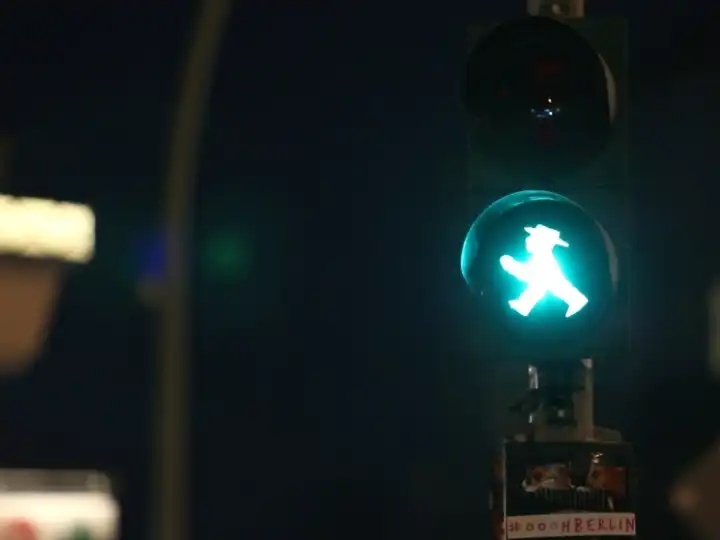
CultureBerlin, GermanyFebruary 28, 20173 MIN 46 SECBerlin: The Monocle Travel GuideFor a long time Berlin lacked the wealth and stability of other capital cities so ingenuity prevailed. It’s now known as a place where creativity is fostered, resourcefulness encouraged and originality embraced. Published by Gestalten, The Monocle Travel Guide to Berlin is available now at The Monocle Shop.Narrator Matt AlagiahSubscribeEmailiTunesYouTube

Bangkok: The Monocle Travel Guide

Bangkok: The Monocle Travel Guide

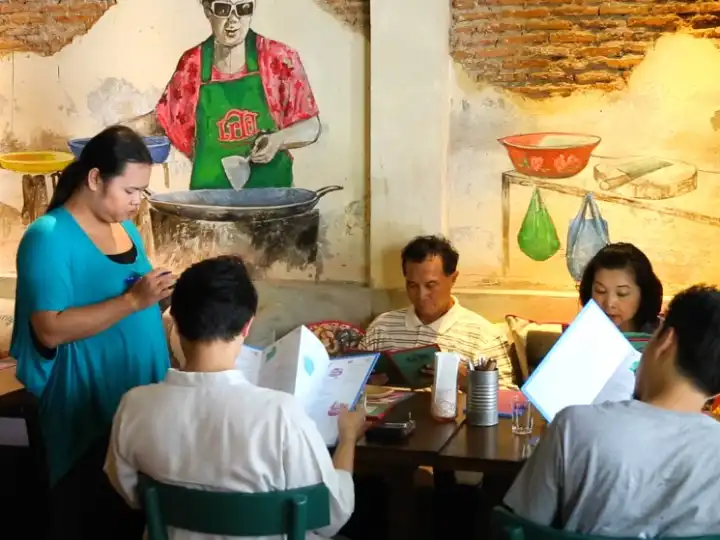
Monocle FilmsBangkokApril 15, 20172 MIN 46 SECBangkok: The Monocle Travel GuideBangkok is a city both liberal and traditional, where outsiders are always welcome but few can gain a true understanding of the capital’s intricacies. The Monocle Travel Guide to Bangkok will steer you to our favourite hotels and retailers, lesser-known neighbourhoods, tasty restaurants and street-side bars where Bangkok’s bright young things party until the early hours. Published by Gestalten, The Monocle Travel Guide to Bangkok is available now at The Monocle Shop.Narrator Gillian DobiasSubscribeEmailiTunesYouTube

Zürich, Geneva + Basel: The Monocle Travel Guide

Zürich, Geneva + Basel: The Monocle Travel Guide

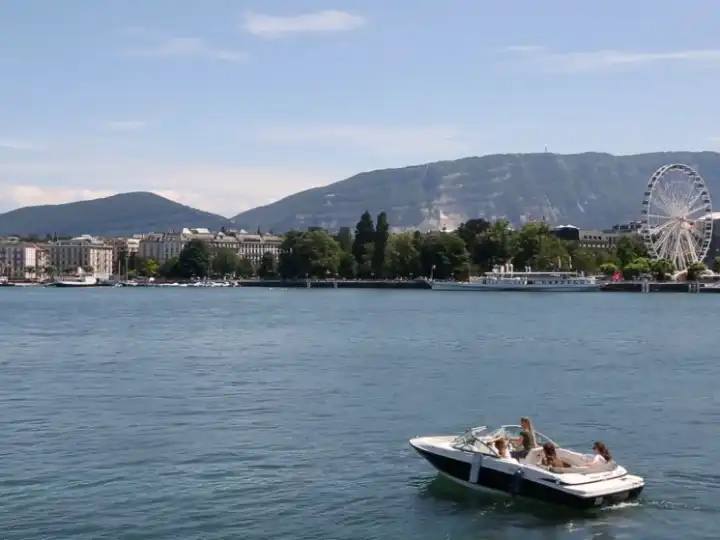
Monocle FilmsJune 27, 20183 MIN 2 SECZürich, Geneva + Basel: The Monocle Travel GuideThis book celebrates the richness of these three Swiss cities and dives beneath the surface to bring an unexpected mix of creativity, entrepreneurialism and design. All aboard for a tour of the most impeccable hotels, world-class galleries and best spots to take a dip.Available now at The Monocle Shop.Narrator Matt AlagiahSubscribeEmailiTunesYouTube

The latest developments in the worlds of transport and hospitality

The latest developments in the worlds of transport and hospitality

Getting the jump on budget travelHop Inn, ThailandThailand’s Erawan Group might be best known as the operator of Bangkok’s Grand Hyatt and JW Marriott hotels but the hospitality giant has spent the past decade building up its own brand at the budget end of the scale. Hop Inn has 50 hotels across Thailand and its basic room-only offering has become a big hit with domestic business travellers: think salespeople who drive (or hop) around the country and just need a reliable place to crash with wi-fi and a hot shower. Average occupancy rates are about 80 per cent and there are plans to add eight more Thai properties in 2024. According to Erawan Group president Petch Krainukul, the idea for a budget business hotel arose in 2012 when most investors and operators were focused on the four and five-star segment. “We saw huge growth opportunities,” says Krainukul. “There was a growing demand from domestic travellers and no competition from any of the big brands.”The 132-room Hop Inn in Bangkok’s eastern Bang Na district is a typical example. It’s based alongside an elevated highway, just down the road from one of the Thai capital’s largest conference centres. A standard room costs THB850 (€22) – half the price of an Ibis. There is no breakfast, no restaurant, only instant noodles, which can be bought from a self-service counter in the lobby, where machines supply free coffee in the morning. A petrol station and convenience store next door can provide extra fuel for man, woman and motor.“We saw huge growth opportunities. There was a growing demand from domestic travellers and no competition from any of the big brands”Kind of blueBack to basicsBy 2030 the Erawan Group plans to have 150 Hop Inns across the region, taking on Thai rival Red Planet and Go Hotels of the Philippines. Japan is its next stop. Four existing hotels, with a total of 373 keys, have been acquired in Tokyo and Kyoto, with the quartet due to open in 2024. “Japan has huge potential with fast-growing numbers of tourists, many of them repeat travellers,” says Krainukul.hopinnhotel.comWhat’s next for amenity kits?GlobalThe amenity kit has long been a point of differentiation in Business and First Class but now a few airlines are taking a renewed approach. This autumn, Hawaiian Airlines launched its first carbon-neutral amenity kit in partnership with Oahu homeware brand Noho Home, while Delta worked with Oaxaca brand Someone Somewhere to help artisans in Mexico. Japan Airlines recently introduced kits produced by Heralbony, a Tokyo fashion brand that employs artists with learning difficulties. Each of these was created by Hong Kong-based Formia, which specialises in amenity kits and works with more than 50 airlines around the globe. These small bags, which typically contain toothbrushes, moisturiser, toothpaste, socks and a set of ear plugs, are subject to the same forces that are buffeting consumer brands on the ground, from sustainability and social purpose to wellness. Certain products are now made from recycled plastic, bamboo and wheat straw, and Formia recently moved its factory from China to Mexico to be closer to customers in the Americas and reduce carbon emissions. Though traditional luxury continues to be a big selling point for the Gulf carriers (Emirates has a longstanding partnership with Bulgari, for example), small independent brands with a social purpose are driving the aviation industry forward. Let’s hope that more airlines take notice. Plane and simpleBoeing Business Jets, GlobalFor those with the means to fly private, a Boeing 737 is the ideal conveyance. It handles transcontinental flights with fuel to spare and can be configured to fit almost any buyer’s needs (think private offices, showers, sleeping quarters and cinema lounges). But if choosing the colour of your private jet’s carpet is likely to prove more daunting than the estimated $95m (€87m) price tag, fear not: the aerospace giant can now alleviate the anxiety of custom interior design too.At a Las Vegas private aviation trade show in October, Boeing Business Jets debuted its new Select offer, a slate of pre-designed cabins that reduces the seemingly infinite choices of an interiors catalogue to a mere 144 layouts in three colour palettes: beige and off-white; blue hues and earth tones; tan and gold. “The trend at the top end of business aviation is more cabin space and greater cabin comfort,” says Joe Benson, president of Boeing Business Jets. “Select provides the flexibility to meet the full spectrum of VIP travel.”Prospective customers will get a quicker finished product and a fixed price, all without the need for pre-assembly engineering and design work. The first orders are scheduled for delivery in 2026, so crack open the catalogue and start shopping. businessjets.boeing.comCarry on flyingGlobalDone right, living out of a suitcase can almost be a pleasure. Compact enough to fit into an overhead locker without compromising on smart design or high-quality craftsmanship, these carry-ons will see you on your way in style.1.The practical case:Carl Friedrik’s Carry-on ProDesigned in London and manufactured in Guangzhou, China, Carl Friedrik cases make for achingly chic travel assistants. The functional Carry-on Pro features a slim front pocket to accommodate a laptop, allowing for easy access on the move, while the hard-shell protective exterior resists denting.carlfriedrik.com2.The standout:Louis Vuitton’s Horizon 55 caseThe Horizon 55 is made from soft cowhide leather and emblazoned with Louis Vuitton’s signature monogram embossing. It pays homage to the brand’s colourful city guides, which are celebrating their 25th anniversary.louisvuitton.com3.The dependable bag:Away’s Carry-On relaunchThe New York brand’s classic suitcase first launched in 2016. Its comely shape, designed to fit snugly in overhead lockers, has now been updated with ergonomic handles underneath the wheels and a toned-down colour palette featuring khaki, navy and cream with matte or gloss options.awaytravel.comMarquee openingLafayette’s, ParisLafayette’s latest spot, from French-Senegalese chef Mory Sacko, occupies a historic 18th- century manor house close to the Élysée Palace and the Place de la Madeleine. Sacko, who made his mark in the French capital with his unique cuisine combining French produce, Japanese techniques and his West African heritage, has already earned a Michelin star and prestigious partnerships with companies such as Louis Vuitton. Opened in the former residence of the Marquis de Lafayette and in partnership with the ever-expanding Moma restaurant group, this bolthole channels the decadent dinner parties once thrown here by the flamboyant civil war general.Originally constructed by King Louis XV’s architect, Mazin, the house was completely redecorated by Barcelona-based Lazaro Rosa-Violan and turned into a 100-seater neo-bourgeois brasserie with three cosy rooms strewn with silk drapes and featuring period woodwork. The French-inflected cooking draws inspiration from the American and African continents, with dishes such as Cajun-style salmon with salsa coleslaw,gambaswith marinated mango and jerk spices, and amberjack carpaccio with jalapeños and spicy sauce. It seems as though Sacko may be onto another winner. 8 Rue d’AnjouRub of the greenIlis, BrooklynTucked away in a former rubber factory in Brooklyn’s Greenpoint neighbourhood, Ilis was years in the making. The restaurant is the brainchild of Noma co-founder Mads Refslund and Will Douillet, the latter a former sommelier of Chicago’s three-Michelin-starred Alinea. The team transformed this huge warehouse into a fully kitted-out restaurant featuring a central kitchen complete with Demant live fire grills orchestrated by designer Tim Harrison. Ilis, which is a mash-up of the Danish wordsildandis(“fire” and “ice”), offers a menu of seasonal ingredients, including plants, seafood and sustainable meat. On the plate, expect ingredient-forward dishes such as wild grilled duck from Pennsylvania, served with plum juice and seaweed-infused barbecue sauce and brown trout, cooked in its own roe butter and served with charred cabbage. There is no front or back of house – everything comes together in a concept that Ilis calls “one house”.ilisnyc.comThe tasca at handCanalha, LisbonOn the grill at CanalhaRaising the barUnderstated interiorsAt the recently opened Canalha in the Portuguese capital, chef João Rodrigues has recreated the atmosphere of a classic neighbourhood restaurant, the sort of place the city has dearly missed in recent years. After working for Lisbon’s Michelin-starred Feitoria for more than a decade, Rodrigues has chosen an informal approach at this 44-seat locale, where he presents comfort food in surroundings that exude a classy 1960s vibe.Patrons can share plates of popular staples such as codfish cakes, slices of acorn-fed cured Iberian ham. More substantial dishes include an open-faced omelette with prawns and onions, bluefin tunatiraditoand grilled lamb sweetbreads from Alentejo. Pair with draught beer or seek out wine with an Atlantic influence – perhaps a vibrant white from Azorean winery Adega do Vulcão or a tinta miúda red made by producer Las Vedras.207 Rua da JunqueiraGarden varietyLos Jardínes de las Barquín, Buenos AiresLos Jardínes de las BarquínIn the pinkIn for a treatElephant ear plants and towering palm trees frame this 40-seater in the Argentine capital. Opened in November 2023, it’s tucked away in the Andalusian gardens of the Museo Fernández Blanco. Most of the tables are outside with the rest in a greenhouse designed by architect Elizabeth da Coba.Chefs Germán Sitz and Pedro Peña (the brains behind the city’s popular Niño Gordo restaurant) and Alejandro Féraud (Alo’s) cooked up the menu together. Spotlighting grains, the restaurant opens from breakfast tomerienda(teatime): order a rye and buckwheat empanada filled with mushrooms or green barley risotto with fresh spinach, beans and peas. All dishes are served on hand-painted dishware by Lola Ibarguren. Earlybirds should flock for breakfast dishes such as shakshuka or egg-white tortilla, and a cortado before browsing the neo-colonial museum’s collection of viceregal silver andcusqueñoart.1541 125 394 950Melting potPotager, Kuala LumpurBased in Kuala Lumpur’s leafy dining enclave, Bamboo Hills, Potager aims to showcase the best producers in the region. It’s helmed by Fukuoka native Masashi Horiuchi and South African-born De Wet Visser. The multi-course tasting menu combines contemporary French flair with Japanese precision while highlighting ingredients from different Malaysian states.potagerkl.comMenu with memoryMetita, AucklandChef Michael MeredithInside MetitaMichael Meredith is already one of New Zealand’s favourite chefs, well known for Mr Morris, his Britomart, Auckland restaurant that draws its ingredients from local sources but it’s inspirations from around the globe. For this new spot, though, he has returned to his roots with Pacific Island cuisine. Meredith’s slick new table in Auckland’s SkyCity complex was named after his Samoan mother, who once ran a pancake cart in support of her family. “I’m always remembering and adding the value of my mother’s cooking,” says the chef. The dining room was crafted by local design firm Ctrl Space and takes visual cues from traditional fishing tools. In reinterpreting delicious heirloom dishes and serving the likes of king salmon with betel leaf and pickled mango, and smoked-eelpanikekewith spiced banana, Meredith pays homage to his family while invoking a personal nostalgia that not only heightens flavours but also creates mouthwatering new memories for guests. skycityauckland.co.nzHouse proudCasa Newton, TuscanyCasa Newton and its groundsThe Swiss are well known to excel in all matters hospitality, even beyond their own borders. At Casa Newton, set amid the rolling hills of Tuscany’s Val d’Orcia region, the Bertherat family from Geneva display yet again the Helvetic gift for hosting. Opened this past autumn, the 11-room hotel occupies a renovated 19th-century villa once home to a family who were relatives of famed physicist Isaac Newton.The welcoming Sienna-brick hue of the façade hints at a rustic farmhouse yet, inside, a rich assortment of fabrics, tiles and colours form a sophisticated 1970s-style setting. “I think it’s important to not forget about the history of the house,” says architect and owner Antonie Bertherat‑Kioes. “Our idea [for the design] was to do it like it would be our home. We wanted a cosy atmosphere without it being old-fashioned.”Eclectic art and design choicesElegantly simple guest roomThroughout the three-storey villa and two farmhouse suites (the latter highlighted with India Mahdavi chairs in the sitting room), Bertherat‑Kioes installed terracotta flooring from Fornace Brioni in a range of vibrant and inviting patterns. Guestrooms feature a mix of mid-century furniture and lighting matched with bespoke pieces, including fabric-lined sideboards made in Prato that conceal the minibar.Poolside, guests are free to relax under 1950s-inspired pink umbrellas and enjoy a glass of pet nat sparkling wine made using organic sangiovese grapes from the family’s nearby winery, Fabbrica Pienza. casa-newton.comPlaces to stayNew openingsFresh paint and freshly made beds continue to shake up the world of hospitality, with global groups launching new ventures in must-visit places and old favourites getting welcome refurbs. All of which means that our bucket lists need an update too. 1.Raffles at The OWOLondonBased in perhaps London’s most storied building, the Old War Office, this elegant site has been restored and now features an impressive list of dining spots, including three restaurants by celebrated Argentine chef Mauro Colagreco. The former politicians’ offices have also been redesigned as suites.raffles.com2.The Ritz-CarltonPortland, Oregon Located right at the heart of the Rose City, The Ritz-Carlton’s inaugural opening in the Pacific Northwest pays homage to the region’s mountainous topography with a towering 35-storey property featuring 251 rooms. Visit the 20th-storey restaurant, Bellpine, for food cooked by local chef Lauro Romero, as well as views of the Cascade mountains.ritzcarlton.com3.Six Senses KanuhuraMaldivesThe Six Senses hotel group is landing in one of the jewels of the Maldives with its new location on the island of Kanuhura. The resort is only accessible by seaplane or speedboat and boasts 91 spacious villas overlooking white-sand beaches and the turquoise reef.sixsenses.comNext generationAthensHard decisions at GallinaThe past 20 years have seen Athens stuck in a cycle of boom and bust. The success of the 2004 Olympics was followed years later by the financial crash. And just as the city began to get back on track, the pandemic hit. But from the ashes has emerged one of Europe’s most exciting food scenes, buoyed by young restaurateurs unafraid to play with their culinary heritage.One of the most hotly anticipated new arrivals is Gallina, which opened in the Koukaki neighbourhood in October. “Our menu is modern and old-fashioned at the same time,” says Vasileios Bakasis, restaurant critic, food journalist and CEO of Gallina’s parent group, Prime Rebel Snob. “It’s comfort food with a fine-dining spin.” Dishes like turbot in assyrtiko wine sauce and rotisserie chicken with miso beurre blanc are served to diners seated on custom chairs by New York studio Objects of Common Interest.Restaurant and bakery AkraBar snacks at Allios KafeneioBringing the heatFurther north, in up-and-coming Kypseli, some of the most coveted tables in the city are found at Allios Kafeneio, which opened in July. “I wanted to update thekafeneioand bring it into a new era,” says owner Kostas Kafetsis. Akafeneiois a traditional Greek café-cum-bar that serves light meze dishes in the evening. Kafetsis’s take involves small plates of slow-roasted lamb, chicken croquettes and fried saganaki cheese drizzled with lemon, all served alongside natural wines from the Peloponnese.Celebrating small Greek producers is also the mission of Spyros Pediaditakis, who opened restaurant and bakery Akra with chef Giannis Loukakis last spring. The two met when Pediaditakis was working as a pastry chef at two-Michelin-starred restaurant Spondi. Three years later the duo set up Akra around the corner in Pagrati. “We find our fruit and vegetables at the local organic market,” says Pediaditakis. “And we update the menu daily according to what we pick up there.”

Harajuku and Aoyama neighbourhood guide

Harajuku and Aoyama neighbourhood guide

Monocle FilmsTokyo, JapanFebruary 23, 20213 MIN 37 SECHarajuku and Aoyama neighbourhood guideHarajuku is a neighbourhood of contrasts, home to the Meiji Shrine, which is surrounded by one of Tokyo’s largest green spaces, and a dense network of small streets packed with shops and cafés. Aoyama attracts a more grown-up crowd. Here, chic boutiques sit alongside one of the city’s most exquisite museums.Editor Mototake MakishimaNarrator Chloe PotterSubscribeEmailiTunesYouTube

Montevideo: broad horizons

Montevideo: broad horizons

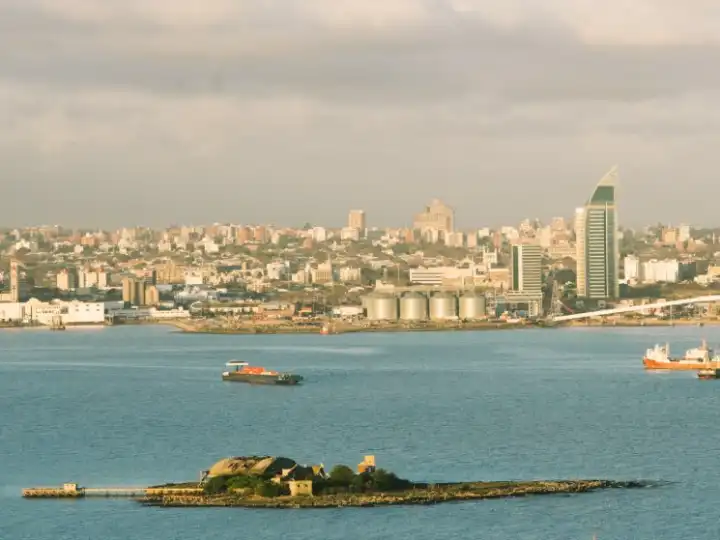
AffairsMontevideo, UruguayAugust 12, 20162 MIN 25 SECMontevideo: broad horizonsWith its intriguing mix of grand colonial boulevards, art deco façades and buzzing plazas, Uruguay’s capital is emerging as a beacon of creativity and democracy in Latin America. Monocle’s Tomos Lewis and photographer Ana Cuba travelled to Montevideo to find out more about Latam’s most liveable, lovable and liberal capital.Editor Anette LienSubscribeEmailiTunesYouTube

Los Angeles: The Monocle Travel Guide

Los Angeles: The Monocle Travel Guide

Travel and restaurantsLos Angeles, USANovember 17, 20163 MIN 35 SECLos Angeles: The Monocle Travel GuideLos Angeles is a city budding with talent: it’s a haven for artists and architects, top chefs, fresh designers and trendsetting retailers. Our guide will take you beyond the Hollywood bubble and uncover the diverse and exciting culture scene. Published by Gestalten,The Monocle Travel Guide to Los Angelesis available now at The Monocle Shop.Narrator Robert BoundSubscribeEmailiTunesYouTube

Editor’s letter: Andrew Tuck on meeting with approval

Editor’s letter: Andrew Tuck on meeting with approval

Let’s start with the final pages of this issue: the Expo. We have recently been interviewing candidates for the role of travel editor and I’ve found myself launching into some rather detailed explanations of what makes for a perfect Monocle hotel or restaurant story. I stress that we, of course, want to apprise people of the latest openings but that we are also just as happy to put the spotlight on an establishment that has navigated the decades untouched. That sometimes a simple three-star with a good owner can outshine the five-star joint run by a global chain. How modest but delicious food can satiate more than a laborious 20-course tasting menu. That luxury comes in many guises. I might have left a few candidates just wishing that we wanted to run the same style of reviews that you see in other titles.But from now on, if asked to explain our perspective, I will simply hand over this issue and ask people to drink in the restaurants that made our Expo. Commissioned by our editor, Josh Fehnert, it’s a story that looks at “hospitality holdouts” – establishments that have triumphed with consistency, tradition and the knowledge that sometimes all you have to do is nothing much at all. Just before we send any issue to print, we do a final run through of all the pages. This month everyone ended up staring at the tempting dishes from the likes of Kronenhalle in Zürich and The Odeon in New York, hoping to somehow be transported to their dining rooms; to find themselves eating the perfectsmørrebrødand having a lunchtime glass of red.What these establishments also have in common is a reputation for well-oiled hospitality; knowing how to welcome people in from the rain or a harried day to slowly restore their usual ease. This theme of being hospitable runs throughout the issue – and not just in the realm of restaurants and hotels. We also have a masterclass on the broader subject of hospitality delivered as 50 lessons. Because how you treat people, how you greet and take care of folk, is a discipline that needs to be perfected by every airport chief, diplomat, business owner, receptionist and mayor. The steps you are willing to take to be a good host reveal everything about your qualities and beliefs. It speaks to who you really are.This issue is also our Fashion Special and, as always, these pages have been elegantly stitched together by our fashion director, Natalie Theodosi. Just as in our coverage of travel, when it comes to fashion we also have a different take on what makes for the perfect mix of stories. Of course, we want to offer some suggestions on brands and shops that really should be on your radar but we also want to take you behind the scenes and into the boardrooms and ateliers where you get to see how businesses are really made. So in addition to a peerless Fashion Top 25, Natalie delivers a series of stories that explore the remaking of Jil Sander by design duo Lucie and Luke Meier, the revival of Piaget and how APC is planning to become a total lifestyle brand. It’s a complete look.Monocle has been back on the road this year and we’ll be in Hong Kong for the latest edition of The Chiefs summit on Wednesday 27 and Thursday 28 March. We hope you can join us (ticket details atmonocle.com). And the squad will be at numerous trade, design, diplomatic and urbanism events across the coming weeks too. We look forward to sharing some monocle-style hospitality with you soon. Until then, have a great month.If you have ideas for stories, recommendations for forgotten hospitality holdouts or even a few style tips, feel free to contact me atat@monocle.com.


Copenhagen: The Monocle Travel Guide

Copenhagen: The Monocle Travel Guide

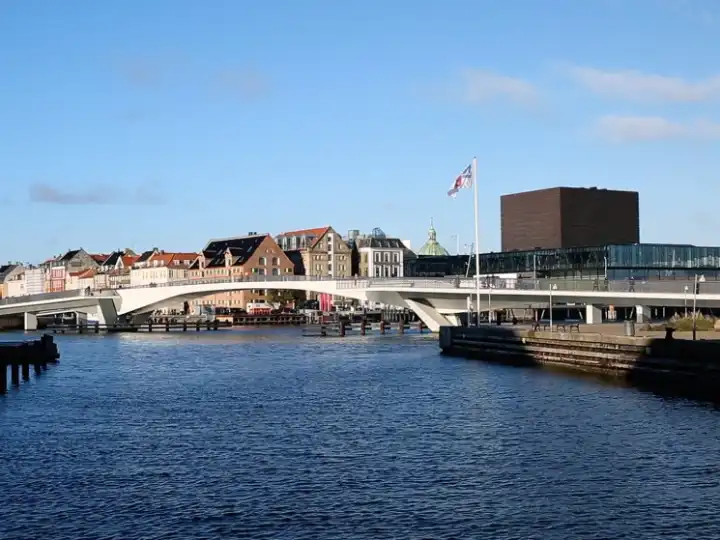
Travel and restaurantsCopenhagen, DenmarkNovember 24, 20163 MIN 34 SECCopenhagen: The Monocle Travel GuideCopenhagen is a city shaped by good design, from its clever public spaces to its network of cycling lanes and renowned furniture industry. Follow our guide to discover why the Danish capital is considered one of the world’s most liveable cities. Published by Gestalten, The Monocle Travel Guide to Copenhagen is available now at The Monocle Shop.Narrator Tom EdwardsSubscribeEmailiTunesYouTube

Nihonbashi neighbourhood guide

Nihonbashi neighbourhood guide

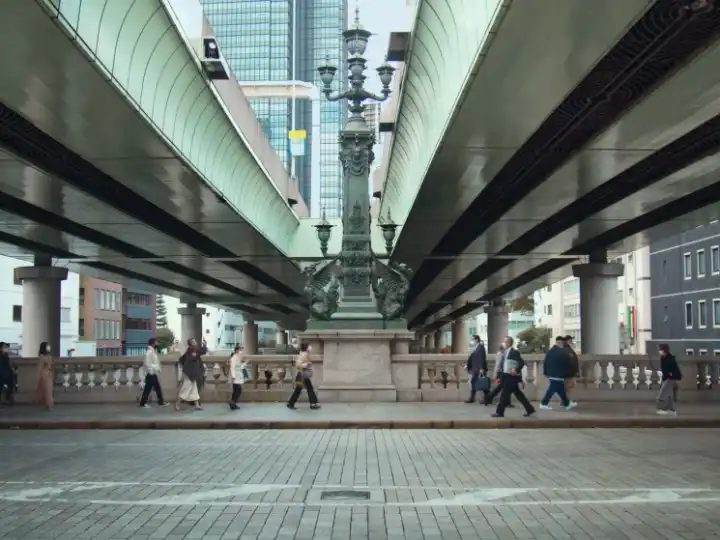
Monocle FilmsTokyo, JapanFebruary 12, 20213 MINNihonbashi neighbourhood guideNihonbashi has deep roots in finance. In the Edo period this was the commercial centre of the city, with bustling canals, streets and markets. Recently, the neighbourhood has been attracting attention once again as exciting new businesses set up shop. Look behind the modern face to discover centuries of history.Editor Ignas KazlauskasNarrator Chloe PotterSubscribeEmailiTunesYouTube

Inside Farasha Farmhouse: Marrakech’s emerging hub for creativity and connection

Inside Farasha Farmhouse: Marrakech’s emerging hub for creativity and connection

The clock is ticking towards the hour when guests will arrive but dinner-party host Rosena Charmoy is having to correct her courses after a surprise visitor has upended her meticulous run of show. A ginger cat, which appears to have stowed away inside the delivery boxes of tableware, is now weaving between chair legs, distracting staff who are attempting to focus on finalising the table setting. Rosena gently nudges her team back to their tasks. Any production in Marrakech, she tells us, needs to balance some chaos with the occasional burst of levity. Today’s gate-crashing feline might be an easily surmountable blip in pre-party preparations but with some quick finessing to the table’s 20 placements, Rosena shows why she and her husband, Fred, are born entertainers.Looking towards the first completed building from the lap poolTonight, the couple have lots to celebrate. Their newly opened Farasha Farmhouse is welcoming back friends, colleagues and well-wishers, many of whom helped to bring the venue into existence. The exquisitely appointed hotel is also a canvas of sorts for this tightknit, talented community of artists and artisans currently colouring modern Morocco. While dozens of just-lit candles flicker, guests mass for an aperitif on the patio.“My lifelong motto is: fail to plan, plan to fail,” says Irish-born Rosena. “I always prepare menus, playlists, seating plans and decor well in advance because it allows us to relax and be with our guests.” She has now switched from a combination of laser-focused and lightning-quick to effortlessly welcoming. Even that charming ginger cat could take some pointers.For the past 18 years, Rosena and Fred have run Boutique Souk, dreaming up and executing elaborate high-end events, birthday parties and weddings for revellers in and around Marrakech. Their clients include major fashion houses such as Chanel and Dior, as well as a ledger of non-disclosure-agreement-protected personalities who might or might not include finance moguls and eminent entertainers. “Over the years, we have built a giant stage in the desert for a contemporary dance performance and hosted remote five-course dinners for 120 people,” says Rosena. But tonight’s event, she says, is more about gathering friends in gratitude. It’s a family picnic in comparison.This easy-going air is exactly what the couple envisioned for their newest venture. When Morocco’s borders were closed at the peak of the coronavirus pandemic, Fred and Rosena believed that people’s yearning for connection and sanctuary would return even more strongly after the long period of disconnection. The discovery of late French artist Patrice Arnaud’s run-down former residence in 2021 set a new, more grounded plan into motion.Semi-secluded bar with one of the many custom Beni RugsDesk where party plans are hatchedSky at dusk, moments before guests arriveRosena and Fred CharmoyOn an open plain between the Atlas and Jbilet mountains, the property’s two front-facing buildings were converted into a four-key lodging. The refurbishment of the second building will add six more suites in late 2024. The opening’s staggered pace reflects the owners’ desire to enjoy the process. Set among a deep-rooted olive grove, the perennial, oasis-like garden was designed by landscape architect Marius Boulesteix, who moved to Marrakech after leaving his career in the Paris fashion industry.The regenerative farm grows many of the vegetables and herbs used in the kitchen. A 50-metre lap pool is lined with sundecks shaded by crochet parasols. The drought-resistant plants, butterfly-attracting lantanas and winding pathways layered with argan-nut shells, which are soft underfoot, are gentle reminders of the thought and care that have gone into the project.Back inside, plates bearing the first course of roasted, za’atar-seasoned carrots and feta cream are carried in as the crossfire of conversation continues apace. Tonight’s guests include art collector Fatima Zohra Bennani Bennis, who founded Marrakech’s pioneering MCC Gallery, Moroccan visual artist and architect Idries Karnachi, Maria Derhem, co-founder of sustainable clothing brand Le Cartel Créatif, and champion show jumper Diletta Gigli.The guest list reflects the engaged creative community that gathers around the Charmoys. Collaborations on events have blossomed into friendships and a strong network that is reshaping Marrakech. “We are very grateful for their ability to throw a damn good party,” says Karnachi with a smile.The staccato clinking of a spoon on a champagne glass brings the chattering room to silence, as Rosena stands to toast several guests who helped to shape the hotel. Artisan Soufiane Zaytoune, who created the farmhouse’s marble kitchen, stone bathroom basin and uniquely chiselled fireplace, is thanked effusively for his efforts.As plates of beef tartare spiced with saffron and coriander are delivered to the table, chef consultant Aniss Meski of Marrakech restaurant Cantine Mouton Noir is rightly praised too. “I moved back to Morocco, my birth country, after a long stint in Canada because I felt there was room for our cuisine to break free from traditional tropes,” he tells us after dinner. As well as overseeing Farasha Farmhouse’s menu, he runs the restaurant at the city’s Musée Yves Saint Laurent.Cocktails are rarely far awaySeveral of the 200 pumpkins peppered around the propertyOne of several cosy corners with art by Amine El Gotaibi (on left) and sofa, table, and fireplace by Soufiane ZaytouneAmy Thomson (centre) holding courtEvery inch of the farmhouse has been considered in astonishing detail. Thezelligeandbejmattile work andtadelaktlimewash walls are adorned with custom handwoven tapestries by Beni Rugs. A wrought-iron orange-juice cart was hand-painted by lrnce studios. The book collection was part of the family estate of US fashion editor Diana Vreeland until it was donated by her son Freck, who served as US ambassador to Morocco.“We didn’t want to just create a place for temporary enjoyment,” says Fred. “Rather, this is somewhere that nurtures more profound connections. Farasha is our reading of where we see the hospitality industry heading: more meaningful experiences, the blurring of the lines between hospitality, art, music and wellbeing.”The quietest guest of the night, conceptual artist Amine El Gotaibi, also receives the biggest ovation. This is partially down to well-orchestrated timing: with the pear mousse and miso milk dessert polished off, everyone stands up for a short walking tour of his works, which he has loaned from his studio to exhibit at the farmhouse for an extended period. El Gotaibi’s wife is British-born Amy Thomson, the founder of women’s health technology company Moody. Tonight she is talking guests through her husband’s work. The pair have just returned from London, where El Gotaibi’s ambitious installation “Illuminate the Light” transformed the Somerset House courtyard into a spectacle of smoke and mirrors. At Farasha, the artist’s oversized works of entangled wool and metal offer a backdrop to the exchange of ideas around the dining table.“A lot of our clients are younger, searching for authenticity, nature and what I call ‘dusty luxury’,” says Rosena. She explains that this means “laidback, comfortable and close to nature” but still imbued with recognisable elements such as favourite cocktails, familiar chefs and preferably a good DJ too.To stay abreast of their customers’ wish lists, the couple travels a lot, visiting the Balearics, London, Paris and the odd festival such as South by Southwest in Austin, Texas. “When I moved here in 2005, I found my own Irish culture very aligned with Morocco’s generosity and warmth,” says Rosena. “There’s an ease to hospitality here.”As the flames lick the charred logs in the chimney, the night’s momentum finally begins to slow. The remaining guests have migrated to the sofa for a nightcap. It’s nearly midnight but in Morocco the concept of time is often dismissed almost as a Western abstraction. No one seems to mind that it’s a Monday either. “We created this place to give our careers a sense of purpose,” says Fred before he bids us adieu. “But creating the right place has a magical way of reviving a community’s purpose too.”Fred&Rosena Charmoy’s three foundations to good entertainingMix it up“Create a group or guestlist of people who will have fun together but who might also end up pursuing an artistic or entrepreneurial endeavour,” says Fred. “Connecting people is at the heart of what we do.”Get toes tapping“Good music is a must,” says Rosena. “The right rhythm can help people to relax – or get them dancing on the tables.”Look after each other“Guests should always feel well-attended, almost as though they were at a family or good friend’s house not a hotel,” says Rosena. “Food and drink should be abundant and no one should have to wait for the loo.”How to get thereFarasha Farmhouse is a 40-minute drive from Marrakech Menara Airport on an open plain between the Atlas and Jbilet mountain ranges. It can organise transfers or guests can drive their own cars. Thankfully, most of the journey is a smooth, straight road.farashafarmhouse.comThe table setting ultimately triumphed over the ginger cat

All around the table: hideaway in the Netherlands

All around the table: hideaway in the Netherlands

HospitalityJanuary 21, 20202 MIN 1 SECAll around the table: hideaway in the NetherlandsNestled in a national park near Dalfsen, Lemelerberg Lodge is the place to slow down from a busy lifestyle. Co-founders Marianne Maat and Lucienne Dunnewijk show us how to create a sense of welcome with soft lighting, natural materials and their handmade wares.Editor Emma CharlesSubscribeEmailiTunesYouTube

Upgrade your travel plans with an oceanside escape and a tempting train ride across Malaysia

Upgrade your travel plans with an oceanside escape and a tempting train ride across Malaysia

Immerso EriceiraPortugalThe town of Ericeira, an hour’s drive from Lisbon, has been a World Surfing Reserve since 2011 but that’s not the region’s only draw. “There are beautiful landscapes for bike rides, incredible estates producing wine and one of Portugal’s crown jewels, the Mafra convent, nearby,” says Pedro Lopes, founder of the Immerso hotel. For their first foray into hospitality, Lopes and his wife, Alexandra Almeida d’Eça, dreamed up their ideal vacation stay – a place for privacy and a connection to nature. “We were unproductive to begin with because we thought of every small detail over and over,” says Lopes.The toing and froing was worth it: the low-slung building, designed by Tiago Silva Dias, blends in with the valley and overlooks the sea. For the interiors, Dias and Almeida d’Eça chose the art, including Iva Viana’s decorative plaster panels and tapestries from Laurence Leenaert. “We didn’t want anything to stick out; it’s about being immersed in nature,” says Lopes. But the hotel does include some standout features, not least its spa, a good place to relax after your surfing lessons. immerso.ptArrivals boardGlobalFind your seat, buckle up and relax with our round-up of new routes, departing from Greenland, Shanghai, Cape Town and beyond.South African AirwaysCape Town and Johannesburg to São Paulo October 2023After almost shutting down, South African Airways is on the ascent. Its first long-haul service following its near collapse is to Brazil. The movement of passengers and goods between the two Brics countries has picked up of late but SAA faces competition from LatAm Airlines. China EasternShanghai to Cairo December 2023China is ramping up its intercontinental game, leading to routes that have never been flown before, such as the first from Shanghai to North Africa. With one of the highest GDPs in Africa, Egypt is an obvious choice for a service from China, which continues to invest heavily in the continent. United AirlinesNew York to Faro May 2024Amid a post-pandemic boom, US carriers are looking for new markets to exploit. The latest volley from United, which has already added destinations including the Canaries and the Azores to its route map, is a service to Faro – harnessing the US craze for Portugal. It will be the first direct service from the US to the Algarve. Air GreenlandNuuk to Iqaluit June 2024Greenland is building longer runways that can handle big jets in Nuuk and Ilulissat but Air Greenland is already making moves ahead of these openings, with a new nonstop service from its capital to Nunavut in Canada. Close cultural ties, geographic proximity and a lack of scheduled flights between Greenland and Canada are among the reasons for the launch. Atlantic AirwaysVágar to New York September 2024The Faroese carrier is dipping its toe into the transatlantic market. It ran an Airbus A320neo between Vágar and Stewart Airport in Upstate New York for just a few weeks in 2023 and now plans to bring the service back in September 2024, again for about a month. One wonders whether it wouldn’t have a better chance of success flying into one of the major New York area airports.Inventory: Tech cornerPlay as you goGlobal1Panasonic Lumix G9 IIClick baitThe latest Panasonic camera chooses the Micro Four Thirds sensor over the company’s recent full-frame models. This makes for a smaller, more manageable device than many DSLRs. The 25.2-megapixel sensor is enough for great photos and this camera introduces a phase detection autofocus system, previously the preserve of bigger cameras from Panasonic. panasonic.com2Bose QuietComfort Ultra EarbudsSilent partnerIn-ear buds need to work hard to match the effectiveness of over-ear headphones but compensate with lightweight convenience. The new QuietComfort Ultra Earbuds, however, ticks all the boxes. Bose buds let in just enough of the outside world to tell you if your partner is calling but minimise playtime noises when working from home. bose.co.uk3Sonos Move 2Bring the noiseThe portable Move 2 builds on the original with longer battery life and better sound, even if it remains a big, heavy unit, weighing 3kg. Sonos products are always simple to set up and use, and its speakers talk to each other effectively.sonos.com4Nomad 65W Slim Power AdapterTaking chargeTravel adapters are tricky things: you always need several and they often have the wrong connectors. This new slim adapter, designed for use in the US, has two USB-C sockets, so you can plug in two devices, and it’s powerful enough to handle a laptop and a phone simultaneously.nomadgoods.com5Bowers & Wilkins Px7 S2eSound investmentThe British hi-fi brand has finessed an already elegant design with its latest noise-cancelling headphones by matching striking looks with softly cushioned ear cups and headband. Sound quality is strong, whether your connection is wireless or wired, and there are two cables supplied for versatility.bowerswilkins.com

What’s on our itinerary: Shops and hotels to add to your list

What’s on our itinerary: Shops and hotels to add to your list

Warren Street HotelNew YorkBritish-born hotel company Firmdale Hotels has opened its 11th property, an oasis of blue steel and sunny yellow on a red-brick block in Tribeca. “We love Crittall windows; it’s such a classic look,” says co-founder and creative director, Kit Kemp, who used the same windows at the firm’s fêted Manhattan hotels, Crosby Street and the Whitby. “It looks as good in Paris as it does downtown.”No strain at the barFlying the flag for hospitality in TribecaThe interior is unmistakably Kemp too: a mishmash of patterns and wallpapers in a range of colours and textures. It’s a cacophonous clash that shouldn’t work but does. “All the pieces speak to one another,” says Kemp of the collage she created with her daughters, Willow and Minnie, who work in graphic design and architecture, respectively. The property is a breath of fresh air in a neighbourhood that has welcomed an influx of galleries but long lacked any decent independent hotels. “It still has a village feel about it,” says Kemp, who looked to the area’s textile trade for inspiration.Agnolotti with hazelnut gremolata, and hamachi crudo with avocadoA world away from boring white wallsThe 69 guest rooms are decorated with brightly-hued curtains and carpets, and wallpapers. You’ll find almost 1,000 artworks throughout the hotel, from creatives such as Argentinian designer Cristián Mohaded and Ugandan artist Sanaa Gateja. The downstairs drawing room is open only to guests and there are snug sofas and a fireplace by which to hunker down. The brasserie serves wild mushroom risotto, scallops and strip steakau poivre, as well as a decadent afternoon tea with macarons, scones, clotted cream and champagne. “I remember going with my mother or family for afternoon tea,” says Kemp. “It was always very special and spoiling. It’s lovely to bring that in.”firmdalehotels.comQ&ANew YorkKit KempFirmdale’s co-founder and creative director on her latest New York hotel opening.Kit KempWhy downtown?We have the Whitby in Midtown and Crosby Street in Soho, and Tribeca just felt exciting. Over the past 10 years, we’ve seen it change, with lots of people living there rather than in massive sky-rise buildings. It has a good buzz. Other than the Greenwich, there wasn’t a hotel that had character, so there was room for a hotel, brasserie and bar like ours.What about the building?It was a gap between two buildings. We brought in the blue with the yellow at the top, so it always looks like summer. We wanted something cheerful.Each of the 69 rooms is different from the last. Why?Some of the rooms have a similar scheme vertically but everything else is quite different. If you’re travelling and you go into a white-painted room, it can feel terribly cold. As soon as you have linen on the walls, it suddenly feels fabulous; you are tucked up and safe.Kopria FloristAthensKopria FloristPlant shop and flower studio Kopria opened in the heart of the lively Exarchia neighbourhood in 2018 is growing a budding fan club of locals and regulars from further afield. Alongside the usual line-up of hard-to-kill houseplants and outdoor varieties, its small team has a penchant for the unusual; Kopria stocks an array of oddly shaped cacti and other curiosities that would be difficult to find at your average city garden centre. The business is growing in other senses too: its flower arrangements can be spotted adorning some of the Greek capital’s most high-profile hotels and restaurants. The shop, which boasts an appropriately inviting tropical interior, also sells a small range of international design magazines, plus ceramics by Athenian makers and handmade Japanese garden tools. A snip, if you ask us.30 Eresou, 106 80Retail safariSeoulStart by walking around serene Seochon – one of Seoul’s oldest neighbourhoods – the streets of which are lined withhanokhouses and quaint alleyways. Near Gyeongbokgung Palace, you’ll findParlour, which has a great selection of men’s shoes, plus clothing from Seoul and abroad. Head to theArumjigi Culture Keepers Foundationif you’re a fan of contemporary handicraft – the shop stocks everything from silver chopsticks to lacquerware jewellery boxes inspired by traditional designs. Pay a visit to antique art dealerThe Store from Tong-In, which celebrates its centenary this year and is just a 15-minute walk away, in the historical Insa-dong district.Chapter 1sells furniture and homeware, while earthenware makerSoilbakeris known for its clay bowls andttukbaegicrockery. In need of a little pampering? VisitTamburins, the cosmetics label owned by Gentle Monster, which has its flagship shop in Seongsu. Next, head to Hannam-dong, where the city’s best-dressed gather for people-watching and coffee. Drop in at menswear brandPotteryto pick up a few shirts, which are cut to allow for ease of movement. Finally, near the Hannam post office isHandle With Care, a winsome arts and crafts shop so small you might miss it. Don’t.Nobis HotelPalmaSwedish hotel group Nobis has opened a second outpost in Palma de Mallorca. In 2021 it unveiled its popular Concepció by Nobis project. Its latest space, though, pitches a little higher and has the advantage of being housed in a 12th-century palace, with a large courtyard and roof terraces that offer elevated spots for drinks, sunbathing and escape. The building’s Moorish roots inspired Swedish interior designer Wingårdhs, plus architecture firms Jordi Herrero Arquitectos and Eduardo Garcia Acuña Arquitecto, to employ a riad vibe, with water elements at play on the ground floor. Restaurant, Noi, is already pulling in locals keen to enjoy Mallorcan chef Xema Álvarez’s smart menu. But our favourite space is the high-ceilinged Mirall Bar. Its in-house creations include the Pruna, made with Trigo Limpio vodka, plum spirit, plum,fino(Spanish sherry) and lavender.nobishotel.es

Milan: The Monocle Travel Guide

Milan: The Monocle Travel Guide

Monocle FilmsMilanOctober 26, 20172 MIN 45 SECMilan: The Monocle Travel GuideThis vivacious Italian city, which has been booming since the 1950s, is a hive of activity. Monocle’s travel guide will navigate you through the very best it has to offer, from rustic lunch spots to Europe’s finest artwork. Published by Gestalten, The Monocle Travel Guide to Milan is available now at The Monocle Shop.Narrator Melkon CharchoglyanSubscribeEmailiTunesYouTube

Munich: The Monocle Travel Guide

Munich: The Monocle Travel Guide

Monocle FilmsMunich, GermanySeptember 28, 20172 MIN 9 SECMunich: The Monocle Travel GuideMunich manages to have one foot in the old world and another firmly planted in the new – and that’s part of its undeniable charm. Monocle’s travel guide will help you navigate this cross-section of history and modernity and point you in the direction of our favourite emerging hotels, lively kitchens serving Bavarian classics and the best places to grab your culture fix. Published by Gestalten, The Monocle Travel Guide to Munich is available now at The Monocle Shop.Narrator Matt AlagiahSubscribeEmailiTunesYouTube

Miami: The Monocle Travel Guide

Miami: The Monocle Travel Guide

Monocle FilmsMiamiApril 15, 20163 MIN 43 SECMiami: The Monocle Travel GuideMiami has a lot going for it: its shoreline, year-round warm weather and diverse population. Our new travel guide will help you explore the neighbourhoods to discover its full potential. We’ll introduce you to the dynamic art scene, the best bars and restaurants and everything in-between. Published by Gestalten, The Monocle Travel Guide to Miami is available now at The Monocle Shop.Narrator Ed StockerSubscribeEmailiTunesYouTube

Toronto: The Monocle Travel Guide

Toronto: The Monocle Travel Guide

Travel and restaurantsToronto, CanadaNovember 15, 20163 MIN 30 SECToronto: The Monocle Travel GuideToronto is a city where small businesses thrive and independent retailers are treasured. So hit the streets with our guide to discover the best in fashion, homeware, vinyl and everything in between. Published by Gestalten,The Monocle Travel Guide to Torontois available now at The Monocle Shop.Narrator Tomos LewisSubscribeEmailiTunesYouTube

A day in quaint Tokyo

A day in quaint Tokyo

Monocle FilmsTokyo, JapanFebruary 5, 20212 MIN 50 SECA day in quaint TokyoFrom chopstick wrangling to cash handling, you’d be wise to brush up on some of the key customs and good manners before travelling to Japan. And in today’s changing landscape there are some new rules to consider. Join us for a rundown on how to stay safe.Narrator Tom EdwardsSubscribeEmailiTunesYouTube

A night in bustling Tokyo

A night in bustling Tokyo

Monocle FilmsTokyo, JapanFebruary 9, 20212 MIN 50 SECA night in bustling TokyoTokyo manages to avoid the chaos of other big cities. How? Rules and etiquette are important here – some old, some new. They are not always obvious, so let us show you how to fit in seamlessly and stay safe along the way.Narrator Georgina GodwinSubscribeEmailiTunesYouTube

advertisement